As electronic systems become smaller, faster, and more powerful, heat management has become one of the biggest engineering challenges across industries. Direct to Liquid Thermoelectric Coolers Assemblies provide an advanced thermal solution that combines thermoelectric cooling technology with liquid heat transfer systems to deliver highly accurate and stable cooling performance.
This article explores how these assemblies work, their major advantages, industrial applications, design considerations, maintenance practices, and how businesses can select the right solution for demanding environments such as medical equipment, laser systems, semiconductors, telecommunications, aerospace, and laboratory instrumentation.
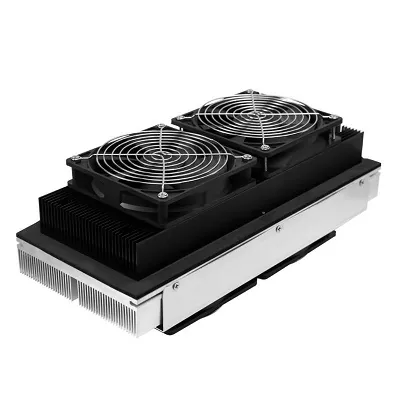
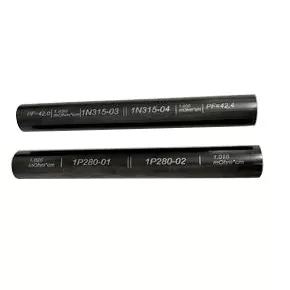
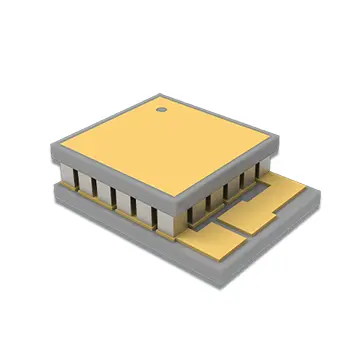
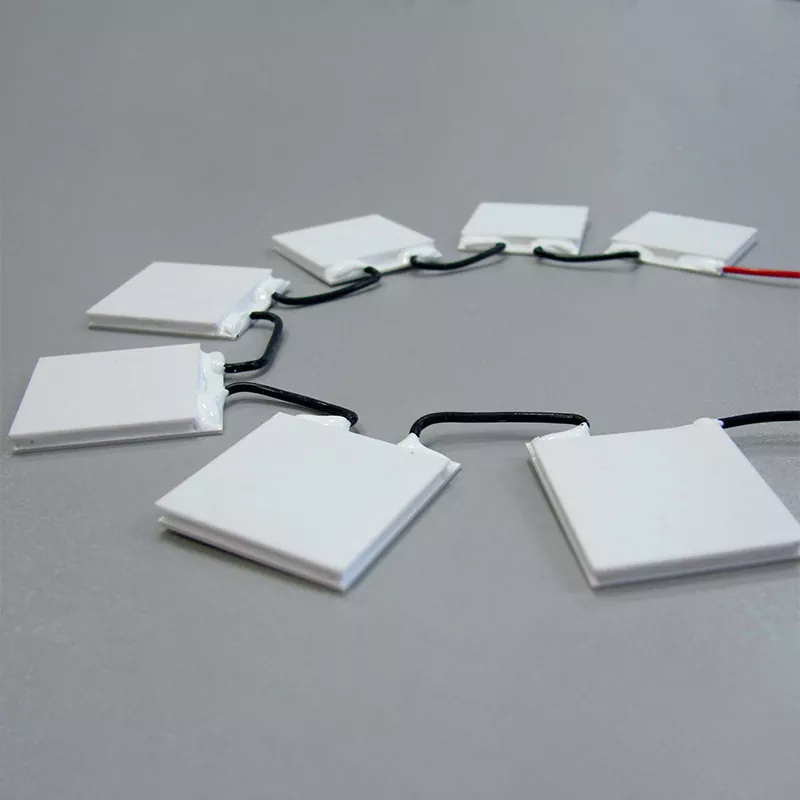
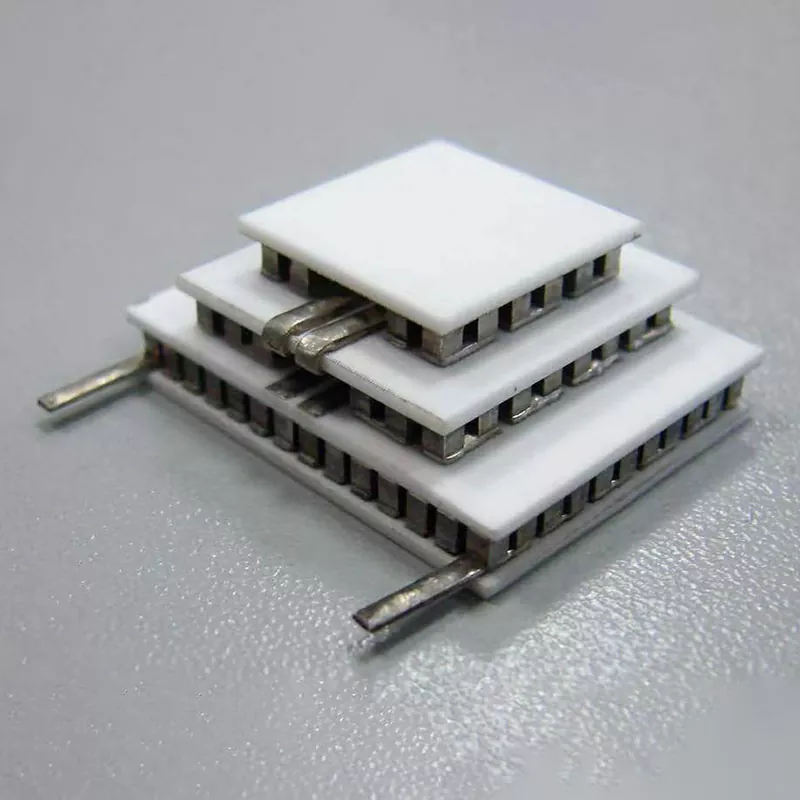
Direct to Liquid Thermoelectric Coolers Assemblies are advanced cooling systems designed to transfer heat away from sensitive electronic or optical components using thermoelectric modules combined with liquid-based heat dissipation technology.
Unlike traditional air cooling systems that rely heavily on fans and ambient airflow, direct liquid cooling systems move heat through liquid channels, providing superior thermal conductivity and more stable operating temperatures.
These assemblies are commonly used in:
Because they deliver accurate temperature regulation, they are especially valuable in environments where even small temperature fluctuations can reduce performance or damage sensitive components.
Thermoelectric cooling operates using the Peltier effect. When electrical current passes through two different semiconductor materials, heat is absorbed from one side and released on the opposite side.
In a Direct to Liquid Thermoelectric Cooler Assembly:
| Component | Function |
|---|---|
| Thermoelectric Module | Transfers heat using electrical current |
| Cold Plate | Absorbs heat from target equipment |
| Liquid Cooling Channel | Carries heat away efficiently |
| Heat Exchanger | Dissipates collected heat |
| Temperature Controller | Maintains precise thermal regulation |
Heat is one of the primary causes of component degradation and electronic failure. Even slight temperature instability can impact:
Precision thermal control helps manufacturers improve operational reliability while extending equipment lifespan.
High-performance cooling assemblies integrate several engineered components that work together to achieve optimal thermal transfer.
| Part | Importance |
|---|---|
| Cold Plate Design | Improves contact efficiency with heat source |
| Coolant Circulation System | Ensures continuous heat transfer |
| Insulation Materials | Prevents external thermal interference |
| Controller Electronics | Provides precise monitoring and adjustments |
Advanced manufacturers optimize each component to maximize cooling efficiency while minimizing power consumption and footprint size.
Compared with conventional cooling technologies, Direct to Liquid Thermoelectric Coolers Assemblies provide multiple operational advantages.
Maintains highly stable temperatures for sensitive applications.
Suitable for systems with limited installation space.
Reduces dependency on large fan systems.
Fewer moving parts help improve long-term reliability.
These advantages make thermoelectric liquid cooling particularly effective for precision applications where airflow limitations or temperature instability create operational challenges.
Multiple industries depend on advanced thermal regulation systems to ensure consistent equipment performance.
| Industry | Typical Application |
|---|---|
| Medical | Diagnostic imaging and laboratory systems |
| Telecommunications | Optical communication equipment |
| Aerospace | Avionics and navigation systems |
| Semiconductors | Wafer processing equipment |
| Scientific Research | Precision analytical instruments |
| Feature | Air Cooling | Direct Liquid Cooling |
|---|---|---|
| Thermal Efficiency | Moderate | Excellent |
| Temperature Stability | Variable | Highly Stable |
| Noise Level | Higher | Lower |
| Compactness | Limited | Better Integration |
| Precision Cooling | Limited | Exceptional |
For high-density electronics and mission-critical systems, liquid cooling often delivers a more effective long-term solution.
Selecting the ideal thermoelectric cooling solution requires careful analysis of system requirements.
Businesses should also evaluate supplier engineering capabilities, customization support, and long-term reliability testing before making purchasing decisions.
| Pain Point | Solution |
|---|---|
| Equipment overheating | High-efficiency liquid heat transfer |
| Temperature fluctuations | Precision thermoelectric control |
| Limited installation space | Compact assembly design |
| High maintenance costs | Reduced moving components |
| System reliability concerns | Stable thermal management architecture |
Energy efficiency has become increasingly important across industrial sectors. Modern thermoelectric liquid cooling systems help reduce operational energy waste through targeted cooling and intelligent temperature management.
Additional sustainability benefits include:
These advantages support organizations seeking better operational efficiency while maintaining strict performance standards.
Proper installation and regular maintenance are critical for maximizing cooling performance and operational lifespan.
Preventive maintenance schedules can significantly reduce unexpected downtime and maintain consistent cooling performance.
The future of thermal management continues to evolve as industries demand smaller, more powerful, and more efficient systems.
Emerging trends include:
As electronic density increases, precision liquid cooling technologies will continue playing a critical role in protecting next-generation systems.
The primary advantage is highly accurate and stable temperature control combined with efficient heat transfer performance.
In many precision applications, thermoelectric systems provide a compact and reliable alternative without requiring refrigerants.
Yes. Properly engineered systems are designed for long-term continuous operation in industrial and scientific environments.
Extremely important. Even small thermal changes can affect beam quality, wavelength stability, and optical alignment.
Yes. Many manufacturers offer custom cooling capacities, dimensions, liquid channel configurations, and integrated control systems based on application requirements.
Direct to Liquid Thermoelectric Coolers Assemblies are transforming precision thermal management across multiple high-technology industries. Their ability to provide stable temperatures, efficient heat transfer, compact integration, and long-term reliability makes them a valuable solution for modern industrial systems.
As electronic equipment continues becoming more powerful and compact, advanced cooling solutions will remain essential for ensuring operational stability and protecting sensitive components from thermal damage.
Companies seeking high-performance thermal management systems should prioritize engineering expertise, customization capabilities, and proven manufacturing quality when selecting a cooling partner.
Fuzhou X-Meritan Technology Co., Ltd. specializes in advanced thermal management technologies and precision cooling solutions for industrial, scientific, medical, and high-performance electronic applications.
Contact us today to discuss customized Direct to Liquid Thermoelectric Coolers Assemblies tailored to your specific project requirements.