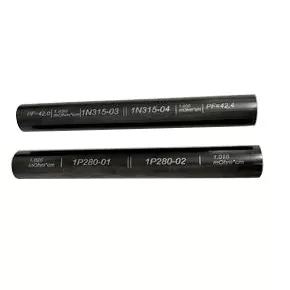
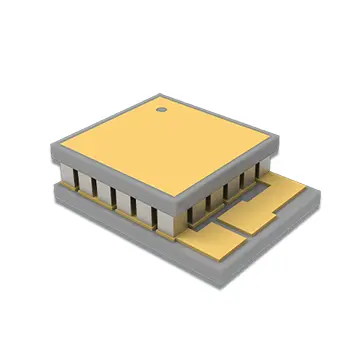
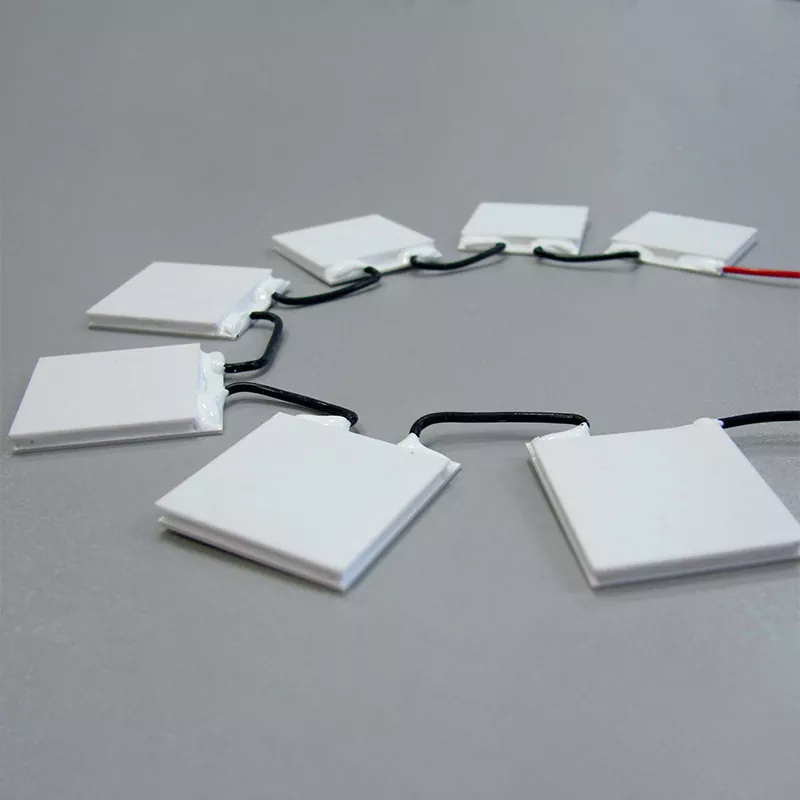
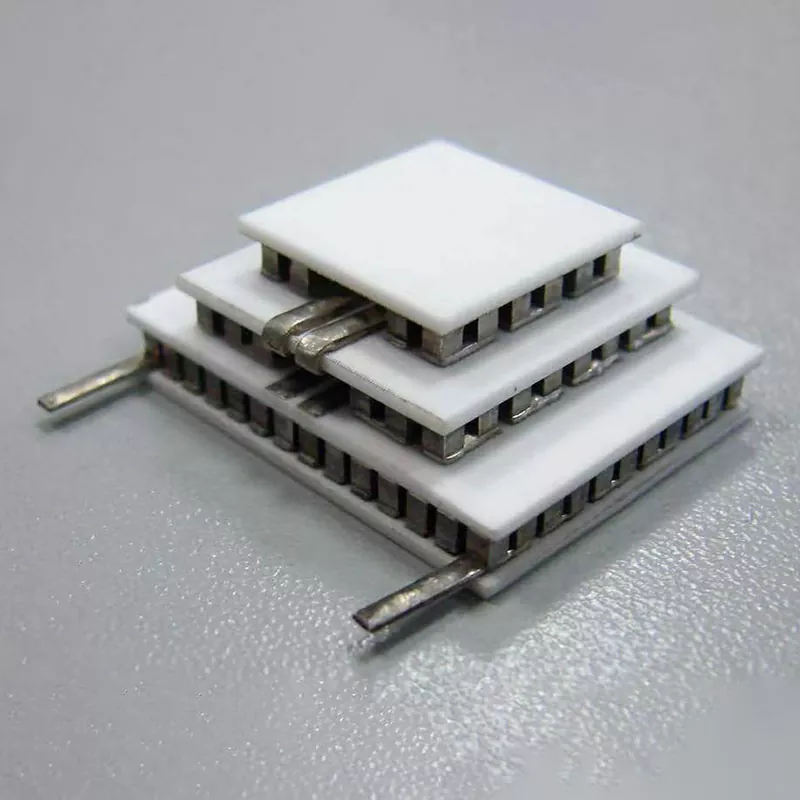
Liquid to Air Thermoelectric Coolers Assemblies have become a preferred cooling solution in industries where precision temperature control is critical. Unlike traditional compressor-based systems, thermoelectric assemblies provide compact, vibration-free, and environmentally friendly cooling with highly accurate thermal regulation.
This article explains how these systems work, where they are used, what challenges customers commonly face, and how modern thermoelectric cooling technology solves those problems. You will also learn how to select the right assembly, compare cooling methods, understand performance factors, and avoid costly mistakes during installation.
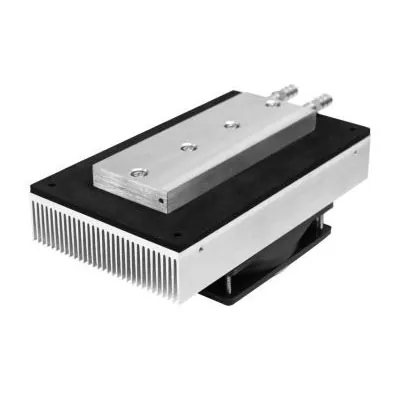
Liquid to Air Thermoelectric Coolers Assemblies are advanced thermal management systems designed to transfer heat from liquid circuits into surrounding air using thermoelectric modules. These systems are widely used in applications requiring compact size, accurate temperature control, low vibration, and reliable operation.
The assembly typically combines thermoelectric modules, liquid heat exchangers, air-side heat sinks, cooling fans, temperature sensors, insulation materials, and control electronics into one integrated unit.
The purpose of the system is simple:
These cooling assemblies are commonly found in:
Thermoelectric cooling operates based on the Peltier effect. When electric current passes through two different semiconductor materials, heat is absorbed on one side and released on the opposite side.
In a Liquid to Air Thermoelectric Cooler Assembly:
| Component | Function |
|---|---|
| Thermoelectric Module | Transfers heat using electrical current |
| Liquid Heat Exchanger | Extracts heat from circulating liquid |
| Heat Sink | Releases heat into ambient air |
| Cooling Fan | Enhances airflow for better heat dissipation |
| Temperature Controller | Maintains precise operating temperature |
Many industries still rely on compressor-based cooling systems. While these systems work effectively in large-scale applications, they may create challenges in compact or precision-sensitive environments.
Common customer pain points include:
Compressors and mechanical components often generate significant operational noise.
Vibrations can interfere with optical systems, laboratory instruments, and sensitive electronics.
Traditional cooling systems may not fit into compact equipment designs.
Mechanical systems require periodic servicing and refrigerant management.
Liquid to Air Thermoelectric Coolers Assemblies help solve these challenges by offering compact, quiet, and low-maintenance thermal management solutions.
Thermoelectric cooling assemblies provide several important advantages for demanding applications.
| Benefit | Customer Advantage |
|---|---|
| Precise Temperature Control | Improves system accuracy and stability |
| No Refrigerants | Environmentally safer operation |
| Compact Structure | Fits limited installation spaces |
| Low Vibration | Protects precision instruments |
| Quiet Operation | Improves workplace comfort |
| Reliable Performance | Minimizes maintenance downtime |
| Fast Response | Rapid thermal stabilization |
Liquid to Air Thermoelectric Coolers Assemblies support a wide range of advanced industries.
Medical imaging devices, DNA analyzers, and laboratory testing systems require stable thermal environments for accurate performance.
Laser systems generate concentrated heat that can impact beam quality and component lifespan.
Semiconductor fabrication processes require highly controlled temperatures to ensure production consistency.
Defense equipment often operates in harsh environments where compact and reliable cooling is essential.
Communication infrastructure benefits from stable thermal management to maintain signal reliability.
Precision sensors and optical systems require vibration-free cooling for accurate measurements.
High-quality thermoelectric cooling assemblies depend heavily on proper engineering and component integration.
Important design considerations include:
Poor design can reduce cooling efficiency and shorten system lifespan. That is why many industrial buyers prioritize experienced manufacturers with proven thermal engineering capabilities.
Selecting the correct Liquid to Air Thermoelectric Coolers Assembly requires careful analysis of operating conditions and cooling demands.
Customers should also verify whether the assembly supports custom integration, especially for specialized medical, aerospace, or semiconductor applications.
Several variables directly affect thermoelectric cooling performance.
| Factor | Impact on Performance |
|---|---|
| Ambient Temperature | Higher ambient temperatures reduce cooling efficiency |
| Heat Sink Design | Efficient heat dissipation improves overall performance |
| Airflow | Strong airflow increases heat transfer capability |
| Liquid Flow Rate | Proper circulation improves thermal exchange |
| Power Input | Stable voltage ensures consistent operation |
| Thermal Insulation | Reduces unwanted external heat intrusion |
Many customers compare thermoelectric cooling assemblies with conventional compressor systems before making purchasing decisions.
| Feature | Thermoelectric Cooling | Compressor Cooling |
|---|---|---|
| Noise Level | Low | Moderate to High |
| Vibration | Minimal | Higher |
| Maintenance | Low | Regular servicing required |
| Size | Compact | Larger |
| Temperature Precision | Excellent | Moderate |
| Environmental Impact | No refrigerants | Uses refrigerants |
Proper installation significantly improves system lifespan and cooling efficiency.
Although thermoelectric systems require less maintenance than compressor systems, periodic inspections still improve long-term reliability.
Demand for advanced thermal management continues to grow rapidly as industries become more dependent on precision electronics and miniaturized systems.
Future trends include:
As electronic devices continue shrinking while generating more heat, thermoelectric cooling assemblies are expected to play an increasingly important role in modern thermal management strategies.
Yes. High-quality thermoelectric cooling assemblies are designed for long-term continuous operation with minimal maintenance requirements.
Thermoelectric systems do not use traditional refrigerants, making them a cleaner alternative for many applications.
Medical, semiconductor, telecommunications, military, aerospace, laboratory, and laser industries commonly use these cooling systems.
Many advanced systems can maintain highly precise temperature stability, making them ideal for sensitive equipment.
No. Thermoelectric cooling systems operate without refrigerants, eliminating refill and leakage concerns.
Liquid to Air Thermoelectric Coolers Assemblies provide an effective solution for industries requiring compact, reliable, vibration-free, and highly accurate thermal management. Their ability to deliver stable cooling without refrigerants makes them increasingly valuable in modern industrial and scientific applications.
Whether used in medical devices, semiconductor manufacturing, telecommunications, or advanced laboratory systems, thermoelectric cooling technology offers clear advantages in efficiency, reliability, and operational stability.
As technology continues advancing, businesses investing in high-performance thermal management solutions can improve equipment lifespan, reduce operational risks, and achieve greater system precision.
Fuzhou X-Meritan Technology Co., Ltd. specializes in high-performance thermoelectric cooling technologies designed for demanding industrial and scientific applications.
From customized Liquid to Air Thermoelectric Coolers Assemblies to precision thermal management solutions, our experienced engineering team is ready to support your project requirements.
Contact Us Today for Professional Cooling Solutions