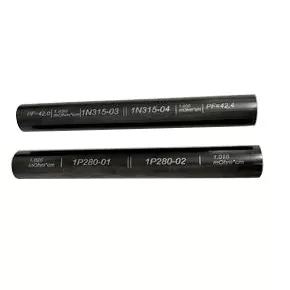
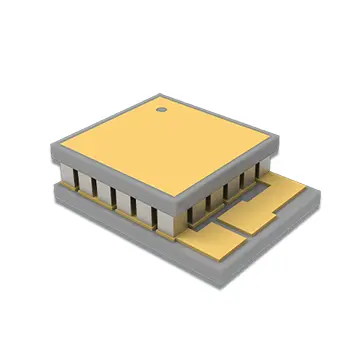
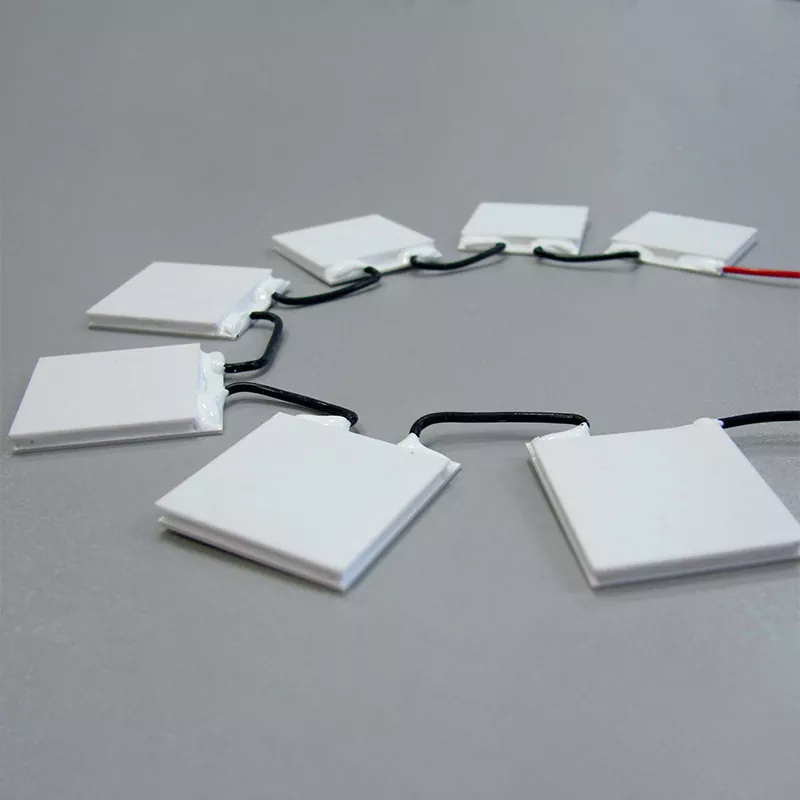
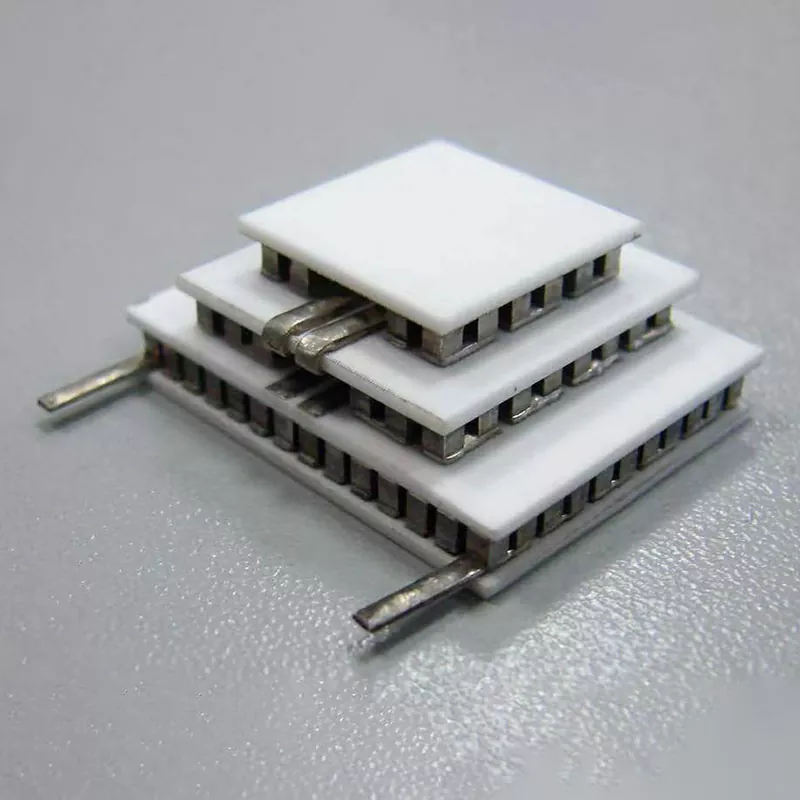
Fuzhou Xi'an Technology's Extruded Thermoelectric Materials are rapidly gaining attention for their ability to overcome limitations seen in traditional zone-melted alternatives, particularly in high-density cooling applications. These advanced materials offer a combination of mechanical strength, precise temperature control, and compact form factor that modern electronics increasingly demand. Whether in fiber optic communications, medical devices, or automotive electronics, the need for reliable heat management has never been greater.
As electronic devices become smaller, faster, and more powerful, managing heat effectively is critical. Overheating can not only reduce performance but also shorten component lifespan and even pose safety risks. Thermoelectric cooling materials, which convert electrical energy directly into heating or cooling without moving parts, offer a quiet, vibration-free solution to this challenge.
In conventional systems, fans, pumps, or refrigerants add complexity, take up space, and can fail over time. In contrast, Thermoelectric Materials provide a solid-state solution that is both highly reliable and precise. Their fine-grained structure and dense texture allow engineers to create ultra-thin thermoelectric modules, sometimes as thin as 0.2 millimeters, ideal for high-power-density applications like 5G optical modules, LiDAR sensors, and miniaturized medical equipment.
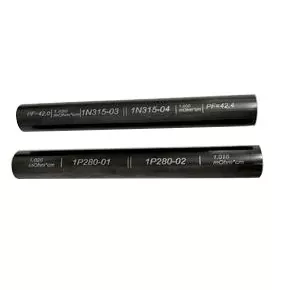
For decades, zone-melted thermoelectric materials were the industry standard. These materials work, but they have notable limitations: they are fragile, prone to surface peeling, and their thermal and electrical properties can vary between production batches. The extrusion process, particularly for Bi2Te3-Sb2Te3 alloys, addresses these issues by aligning the grains through plastic deformation, which strengthens intergranular bonding and improves overall reliability.
| Feature | Zone-Melted Materials | Extruded Thermoelectric Materials |
| Mechanical Strength | Moderate, prone to cracking | High, supports ultra-thin modules down to 0.2 mm |
| Batch Consistency | Moderate, may vary | Highly consistent, ideal for multi-stage modules |
| Thermal Conductivity | Limited control | Optimized through grain texture, improves ZT figure |
| Durability | Can degrade under repeated cycles | Maintains performance over tens of thousands of thermal cycles |
| Electrical Conductivity | Moderate range | 870–1430 Ohm⁻¹cm⁻¹, ensuring uniform response |
| Noise & Vibration | N/A | Completely silent, no moving parts |
This table demonstrates why extruded thermoelectric materials are particularly suited for high-density and high-reliability applications. The enhanced mechanical properties allow for thin, lightweight modules without the risk of cracks, while stable electrical and thermal performance ensures predictable system behavior even in complex multi-stage assemblies.
One standout feature of Thermoelectric Materials is their ability to produce ultra-thin thermoelectric modules without sacrificing performance. Their dense, textured structure allows for instant switching between heating and cooling simply by reversing current direction. This is essential in optical communication devices, research-grade thermal control modules, and other high-precision electronics.
The extrusion process also improves environmental sustainability. Fully RoHS-compliant, these materials avoid harmful substances and are manufactured with minimal internal defects, ensuring long-term reliability in sensitive applications. High-pressure plastic deformation further reinforces the material, making it resilient under tens of thousands of thermal cycles, which is crucial for industrial and medical cooling devices that undergo continuous operation.
- Micro TEC Manufacturing – Supports the creation of extremely thin thermoelectric pairs for optical modules and micro-cooling systems.
- Multi-Stage TEC Assembly – Provides highly consistent layers for stacked thermoelectric modules, crucial for achieving precise temperature control.
- High-Power Industrial TEC Production – Larger ingot sizes improve production efficiency for industrial cooling units and heat sinks.
- Precision Temperature Control – Suitable for laboratory-grade modules requiring highly stable thermal performance.
- Medical-Grade TEC Modules – Reliable under repeated cold-hot cycles, ideal for medical refrigeration chips and diagnostic equipment.
Extrusion essentially transforms a delicate, fragile material into a robust, high-performance component. The process strengthens grain alignment and density, allowing engineers to slice and thin the material into micro-modules without cracking. This is critical when devices demand compact design and accurate temperature control. For multi-stage or stacked modules, where uniformity directly impacts performance, extruded materials provide consistent results that zone-melted alternatives often cannot match.
In addition, extruded Bi2Te3-Sb2Te3 exhibits exceptional cooling efficiency (COP) in vacuum conditions at 25°C. Its thermoelectric figure of merit (ZT) is among the highest for commercially available materials, which means lower power consumption, higher performance, and longer system lifespan for optical modules, lasers, and other precision electronics.
As modern electronics push the limits of miniaturization and precision thermal management, Extruded Thermoelectric Materials clearly outperform traditional zone-melted alternatives. Their superior mechanical strength, batch consistency, ultra-thin module capability, and environmental compliance make them ideal for applications ranging from fiber optic communications to high-reliability medical devices.
Fuzhou Xi'an Technology continues to leverage its expertise in semiconductor cooling, from material development to system-level solutions, providing reliable, efficient, and innovative thermal management options. By using the thermoelectric materials, engineers can ensure consistent performance, precise temperature control, and long-term durability, establishing a new benchmark for modern thermoelectric cooling systems.