Thermal control has become a critical factor in many advanced electronic and industrial systems. X-Meritan provides reliable Direct to Air Thermoelectric Coolers Assemblies designed for efficient heat dissipation, precise temperature regulation, and compact system integration. These cooling solutions use thermoelectric technology to deliver stable performance without traditional refrigerants, making them suitable for applications where space, reliability, and environmental performance are essential.
Direct to Air Thermoelectric Coolers Assemblies are advanced solid-state cooling modules that transfer heat directly between electronic components and surrounding air through the thermoelectric effect. Compared with conventional cooling systems, they offer advantages including compact structure, low maintenance requirements, silent operation, and accurate temperature control. This article explains the working principles, technical advantages, application fields, selection considerations, and future trends of direct air thermoelectric cooling solutions to help engineers and purchasing professionals understand their value in modern thermal management.
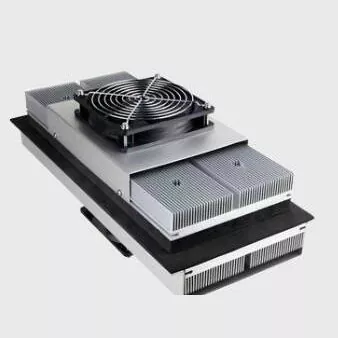
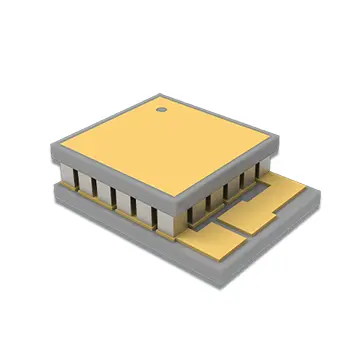
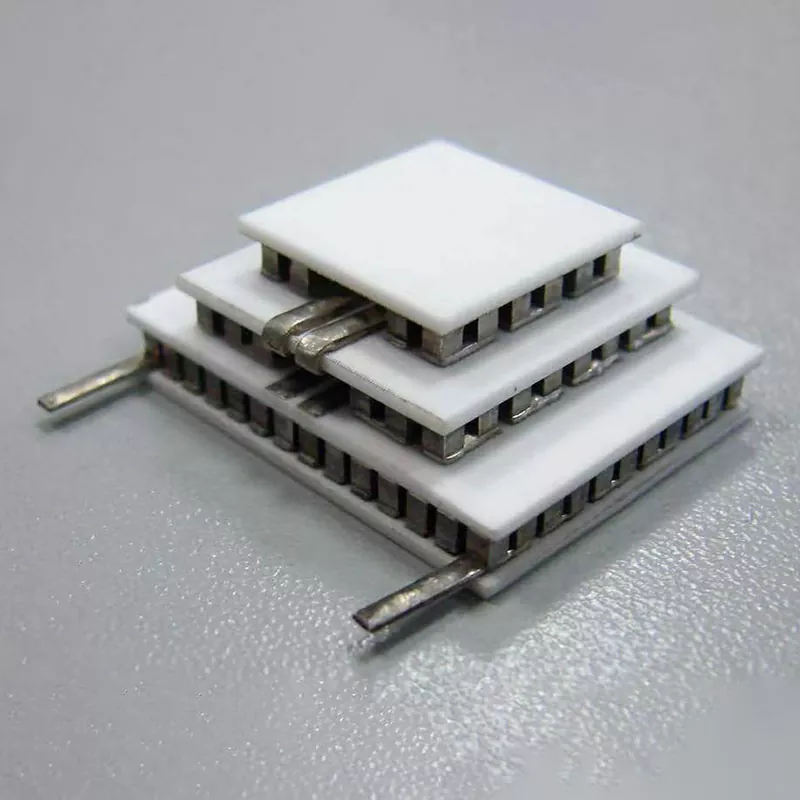
Direct to Air Thermoelectric Coolers Assemblies operate based on the Peltier effect, a physical phenomenon where electrical current passing through semiconductor materials creates a temperature difference. One side of the thermoelectric module absorbs heat from the target component, while the opposite side releases heat into the surrounding air.
Unlike compressor-based cooling systems, these assemblies have no moving mechanical parts. Heat transfer is achieved through thermoelectric modules, heat sinks, fans, and optimized thermal interfaces. This design enables accurate temperature adjustment and stable cooling performance even in sensitive environments.
The basic cooling process includes:
This integrated structure makes direct air thermoelectric cooling assemblies an ideal choice for applications requiring compact and dependable thermal management.
Modern electronic equipment continues to become smaller while generating higher levels of heat. Traditional cooling methods may not always meet requirements for compactness, precision, and reliability. Direct to Air Thermoelectric Coolers Assemblies provide several important advantages.
| Advantage | Description |
|---|---|
| Precise Temperature Control | Thermoelectric technology allows accurate temperature adjustment, making it suitable for sensitive electronic devices and laboratory equipment. |
| Compact Design | The lightweight structure allows easy installation in limited spaces where traditional cooling systems cannot be applied. |
| Low Maintenance | No compressors or refrigerants are required, reducing maintenance requirements and operational complexity. |
| Silent Operation | Solid-state cooling produces minimal noise compared with mechanical refrigeration systems. |
| Environmental Benefits | The technology avoids harmful refrigerants and supports cleaner thermal management solutions. |
Because of these advantages, thermoelectric cooling assemblies are increasingly adopted in precision industries where reliability and energy efficiency are key priorities.
A high-quality thermoelectric cooler assembly combines multiple components to achieve efficient heat transfer. Each part plays an important role in overall system performance.
When selecting a thermoelectric cooling solution, engineers should consider cooling capacity, operating temperature range, power consumption, installation space, and environmental conditions.
The versatility of Direct to Air Thermoelectric Coolers Assemblies allows them to serve multiple industries. Their compact structure and accurate temperature control make them particularly valuable in environments where conventional cooling solutions are unsuitable.
| Industry | Typical Applications |
|---|---|
| Electronics | Cooling semiconductor devices, communication equipment, control cabinets, and electronic enclosures. |
| Medical Equipment | Maintaining stable temperatures for diagnostic instruments and laboratory systems. |
| Industrial Automation | Protecting sensitive control components in manufacturing equipment. |
| Laser Systems | Providing precise thermal regulation for optical and laser equipment. |
| Defense and Aerospace | Supporting reliable operation in demanding environments requiring compact cooling solutions. |
For example, precision testing equipment often requires consistent temperature conditions to maintain measurement accuracy. Thermoelectric cooling assemblies can provide localized cooling without affecting the entire working environment.
| Comparison Factor | Thermoelectric Cooling Assemblies | Traditional Cooling Systems |
|---|---|---|
| Structure | Compact solid-state design | Usually requires compressors, pipes, and refrigerants |
| Maintenance | Low maintenance requirements | Higher maintenance complexity |
| Temperature Accuracy | Excellent precision control | Limited adjustment capability in some applications |
| Noise Level | Very low operating noise | Mechanical components may create vibration and noise |
| Installation Flexibility | Suitable for compact equipment | Requires more installation space |
Although thermoelectric cooling may not replace every conventional cooling technology, it provides a highly effective solution for applications requiring targeted cooling, reliability, and compact integration.
Choosing the correct Direct to Air Thermoelectric Coolers Assemblies requires evaluating several technical factors. A suitable cooling system should match the thermal requirements of the application while maintaining energy efficiency.
Working with an experienced thermoelectric cooling manufacturer can help customers identify the most suitable configuration for their specific applications.
Direct to Air Thermoelectric Coolers Assemblies are cooling systems that use thermoelectric modules to transfer heat from equipment directly into surrounding air. They combine thermoelectric elements, heat sinks, fans, and control components to achieve efficient temperature management.
Yes, thermoelectric coolers generally offer excellent reliability because they contain no compressors or moving mechanical cooling components. Their solid-state structure reduces failure points and maintenance requirements.
Industries such as electronics manufacturing, medical equipment, automation, communication systems, laboratory research, and optical technology commonly use thermoelectric cooling assemblies due to their precision and compact design.
Yes. With appropriate controllers and sensors, thermoelectric cooling assemblies can maintain stable temperatures and support applications requiring accurate thermal regulation.
Direct to Air Thermoelectric Coolers Assemblies represent an advanced approach to modern thermal management by combining compact design, accurate temperature control, and reliable solid-state cooling performance. As electronic devices continue to demand higher efficiency and smaller footprints, thermoelectric technology will remain an important solution for industries seeking dependable heat management. Choosing a professional supplier with strong engineering capabilities can ensure better performance, longer service life, and optimized cooling results. If you need customized thermoelectric cooling solutions or professional technical support, please contact us for more information and a suitable cooling solution for your application.