Micro Thermoelectric Coolers for Lidar are increasingly critical in improving the performance and reliability of lidar systems across automotive, industrial, and aerospace applications. This article explores the most pressing questions about these coolers: how they work, why they matter, what benefits and limitations they present, and how they are used in real-world lidar systems. Whether you are an engineer, product manager, or technology enthusiast, this blog offers a comprehensive, structured guide to micro thermoelectric coolers in lidar technology.
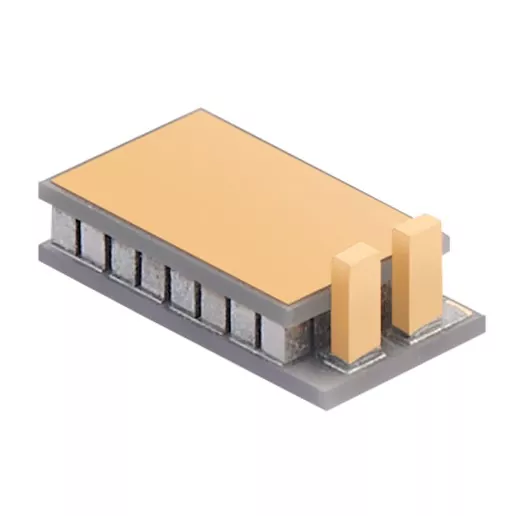
Micro Thermoelectric Coolers (MTECs) are miniature solid-state devices that manage temperature by using the Peltier effect to transfer heat from one side of the device to the other. In the context of lidar (Light Detection and Ranging) systems, they are used to maintain optimal operating temperatures for sensitive optical and electronic components.
Companies like Fuzhou X-Meritan Technology Co., Ltd. specialize in precision micro thermoelectric cooling solutions for lidar and other advanced sensing platforms, emphasizing reliability and performance in harsh environments.
At the core of thermoelectric cooling lies the Peltier effect: when electrical current flows through a junction of two dissimilar materials, heat is absorbed on one side and released on the other. Micro thermoelectric coolers apply this effect at a small scale to precisely regulate component temperatures.
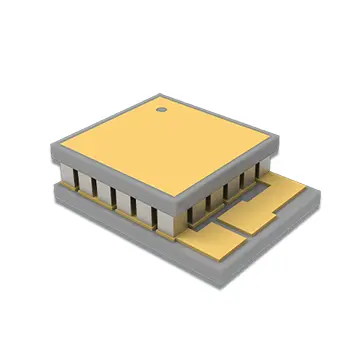
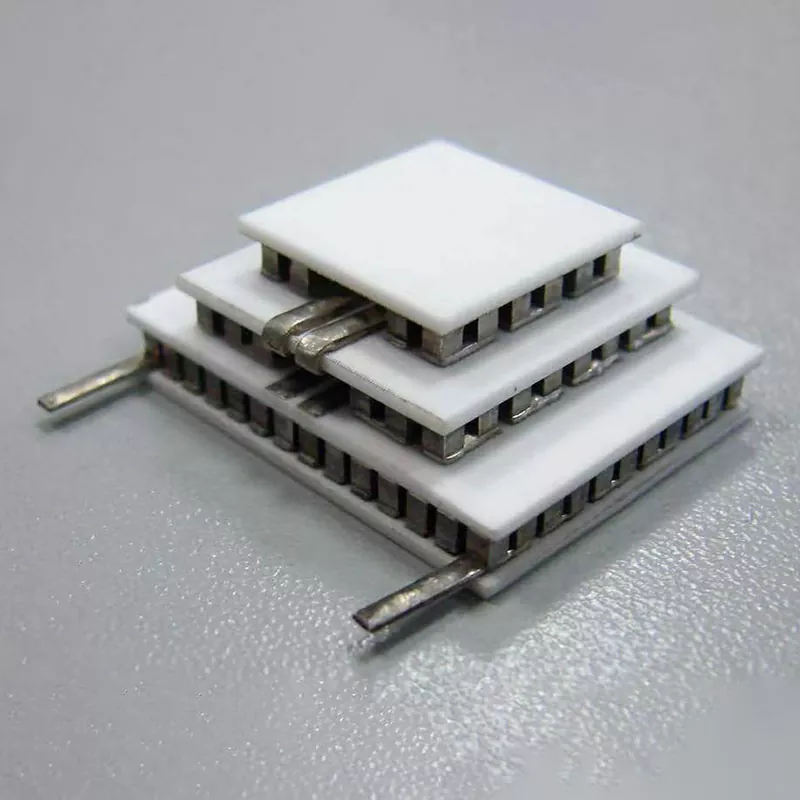
These devices typically consist of many thermocouples connected electrically in series and thermally in parallel. When powered, heat is pumped from the “cold” side (attached to a lidar detector or laser diode) to the “hot” side, which is connected to a heat sink or ambient environment.
Lidar systems rely on accurate time-of-flight measurements of laser pulses. Temperature fluctuations can alter laser wavelength, detector sensitivity, and timing precision. Micro thermoelectric coolers help stabilize these factors by maintaining consistent operating temperatures.
The benefits of thermal control are especially critical in applications such as autonomous vehicles, where environmental exposure and performance reliability are paramount.
| Benefit | Description |
|---|---|
| Precise Temperature Control | Ensures stable laser output and sensor response for accurate ranging measurements. |
| Compact Form Factor | Small size makes MTECs suitable for integration into compact lidar modules. |
| No Moving Parts | Solid-state cooling enhances reliability with low maintenance requirements. |
| Rapid Thermal Response | Can quickly adjust temperatures to compensate for environmental changes. |
| Bidirectional Cooling/Heating | Allows for both cooling and heating to maintain setpoint temperatures in varying environments. |
Manufacturers like Fuzhou X-Meritan Technology Co., Ltd. design MTECs that combine these benefits with high durability for core lidar components exposed to wide temperature ranges.
| Limitation | Explanation |
|---|---|
| Efficiency Constraints | MTECs are less efficient than traditional cooling systems at large heat loads. |
| Power Consumption | High current requirements can affect battery-powered lidar platforms. |
| Heat Dissipation Requirements | The hot side must be effectively managed to prevent negative thermal feedback. |
| Cost Considerations | Advanced materials and precision manufacturing can increase overall system cost. |
Micro thermoelectric coolers are integrated at critical points in lidar systems to optimize thermal performance:
In autonomous driving lidar, for example, thermal stability directly influences detection range, resolution, and overall reliability. In aerial lidar applications, where environmental temperatures vary rapidly, MTECs are essential for achieving consistent signal quality.
Choosing the right MTEC involves considering several key parameters:
Q: What is a micro thermoelectric cooler?
A: A micro thermoelectric cooler is a miniature solid-state cooling device using the Peltier effect to transfer heat, enabling precise temperature control for small electronic and optical systems like lidar modules.
Q: Why are thermoelectric coolers used in lidar?
A: They help maintain stable temperatures for lasers and photodetectors, improving measurement accuracy and reducing thermal noise — key factors for high-performance lidar.
Q: How does temperature affect lidar performance?
A: Fluctuations can shift laser wavelength, influence detector sensitivity, and increase measurement uncertainty, making temperature regulation essential for consistent performance.
Q: Are micro thermoelectric coolers energy efficient?
A: While they provide precise control, MTECs are generally less energy efficient than traditional cooling methods at high heat loads, so matching capacity to application is crucial.
Q: Can a thermoelectric cooler both cool and heat?
A: Yes — by reversing current flow, the device can either cool or heat, allowing bidirectional temperature control to maintain setpoints in varying conditions.
Q: What are typical applications for lidar using MTECs?
A: They appear in automotive autonomous driving, industrial automation, drone-based surveying, and aerospace sensing — anywhere temperature stability directly impacts signal quality and reliability.
Q: Who manufactures micro thermoelectric coolers for lidar?
A: Companies like Fuzhou X-Meritan Technology Co., Ltd. provide specialized cooling solutions designed for precision thermal management in lidar and related technologies.
Q: What should be considered when selecting an MTEC?
A: Evaluate temperature range, cooling capacity, power consumption, durability, and integration compatibility with your lidar system!
Enhance your lidar systems with advanced thermal management solutions — discover high-performance Micro Thermoelectric Coolers for Lidar from trusted industry experts. Whether you’re optimizing autonomous vehicles or industrial sensing platforms, the right cooling solution can elevate performance and reliability. Contact us to explore tailored options and technical support!