Micro Thermoelectric Coolers for Sensor systems have become an essential component in modern precision sensing technologies, enabling stable temperature control, higher signal accuracy, and longer sensor lifespan. As sensors continue to shrink in size while increasing in sensitivity, traditional cooling methods often fail to meet strict thermal requirements. This is where micro-scale thermoelectric cooling solutions offer a compact, reliable, and energy-efficient alternative.
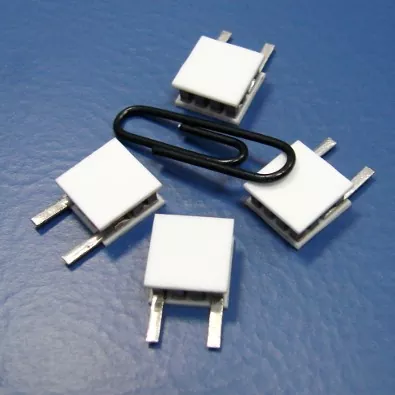
This article provides a comprehensive and professional overview of Micro Thermoelectric Coolers for Sensor applications. It explores how they work, why temperature stability matters for sensors, key advantages and limitations, common application scenarios, selection criteria, and future trends. The guide also includes structured tables, keyword-based FAQs, anchor text references, and expert insights from Fuzhou X-Meritan Technology Co., Ltd., making it suitable for engineers, product managers, and procurement professionals.
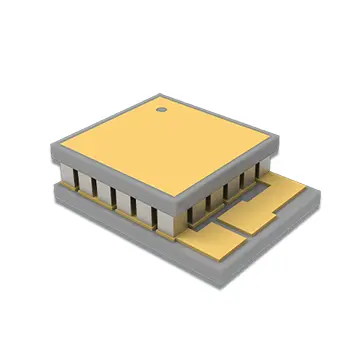
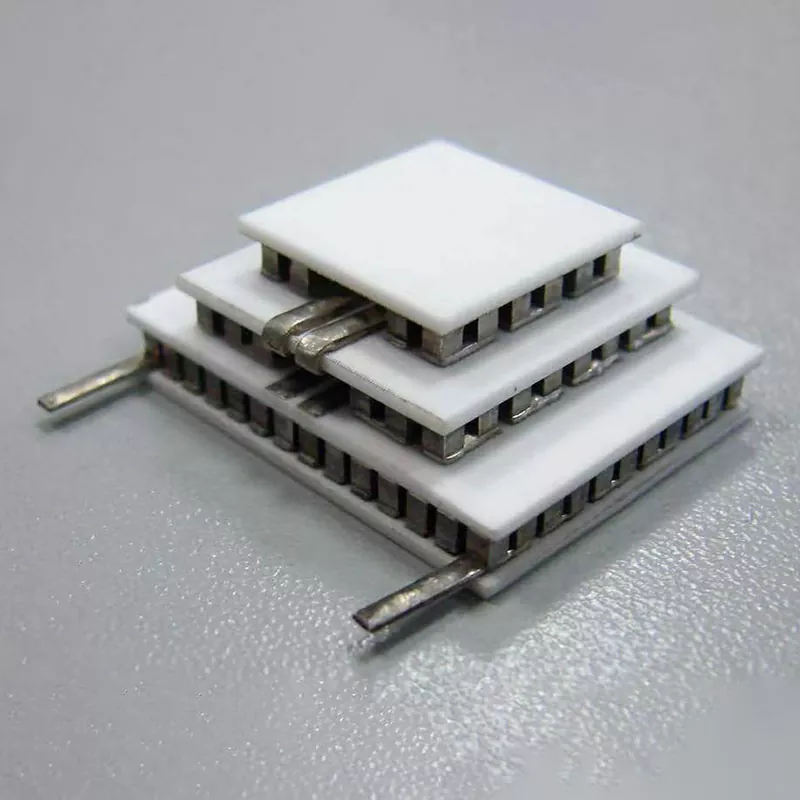
Micro Thermoelectric Coolers for Sensor applications are miniature solid-state cooling devices based on the Peltier effect. Unlike bulky mechanical cooling systems, these coolers use semiconductor materials to transfer heat when an electrical current is applied. Their compact form factor makes them ideal for integration directly beneath or adjacent to sensitive sensor elements.
Fuzhou X-Meritan Technology Co., Ltd. specializes in designing and manufacturing micro thermoelectric cooling modules that meet stringent industrial and scientific sensor requirements, including low power consumption and high thermal stability.
Many advanced sensors—such as infrared detectors, gas sensors, photodiodes, and biomedical sensors—are highly temperature-sensitive. Even minor thermal fluctuations can lead to signal drift, increased noise, or calibration errors.
By integrating Micro Thermoelectric Coolers for Sensor systems, engineers can maintain a stable operating temperature regardless of external environmental changes.
Micro thermoelectric coolers operate by moving heat from one side of the device to the other when direct current flows through paired p-type and n-type semiconductor materials. This solid-state process allows precise temperature regulation without vibration, noise, or moving parts.
When paired with a feedback controller and temperature sensor, these systems can achieve tight thermal tolerances, often within fractions of a degree.
Micro Thermoelectric Coolers for Sensor applications offer several distinct benefits:
These advantages make them particularly attractive in medical, aerospace, industrial automation, and analytical instrumentation markets, where Fuzhou X-Meritan Technology Co., Ltd. has accumulated extensive project experience.
Despite their strengths, Micro Thermoelectric Coolers for Sensor systems also have limitations that must be considered during design:
Understanding these constraints allows designers to optimize system architecture and achieve the best balance between performance and power consumption.
Micro Thermoelectric Coolers for Sensor technologies are widely used across multiple industries:
In these applications, temperature stability directly translates into higher signal integrity and regulatory compliance.
Selecting the appropriate Micro Thermoelectric Coolers for Sensor integration requires careful evaluation of several parameters:
Working with an experienced manufacturer like Fuzhou X-Meritan Technology Co., Ltd. ensures optimized selection and system-level support.
| Feature | Micro Thermoelectric Coolers | Traditional Cooling |
|---|---|---|
| Size | Ultra-compact | Bulky |
| Moving Parts | None | Yes |
| Temperature Precision | High | Moderate |
| Maintenance | Low | High |
As sensor technology continues to evolve, Micro Thermoelectric Coolers for Sensor systems are expected to benefit from advancements in semiconductor materials, improved power efficiency, and tighter system integration. Emerging trends include ultra-thin modules, AI-driven temperature control, and hybrid cooling architectures.
Fuzhou X-Meritan Technology Co., Ltd. is actively investing in R&D to support next-generation sensor platforms.
Q: What makes Micro Thermoelectric Coolers for Sensor applications different from standard TECs?
A: Micro versions are specifically optimized for small form factors, low heat loads, and high precision, making them suitable for direct integration into compact sensor assemblies.
Q: Can Micro Thermoelectric Coolers for Sensor systems both heat and cool?
A: Yes, by reversing the electrical current, the same module can provide heating or cooling, offering flexible thermal management.
Q: Are Micro Thermoelectric Coolers for Sensor applications energy-efficient?
A: While not as efficient as large-scale cooling systems, they are highly efficient for low-power, localized temperature control where precision matters most.
Q: How long do Micro Thermoelectric Coolers typically last?
A: With no moving parts, properly designed systems can operate reliably for tens of thousands of hours.
Q: Why choose Fuzhou X-Meritan Technology Co., Ltd. as a supplier?
A: The company offers customized designs, strict quality control, and extensive application experience in sensor-related thermal management.