Micro Thermoelectric Coolers for Optoelectric applications have become essential components in modern photonics, sensing, and communication technologies. Stable thermal control is critical for lasers, detectors, imaging systems, and optical measurement tools, yet overheating, signal drift, and component degradation remain persistent challenges for engineers and system integrators. This article explores how compact thermoelectric cooling solutions address these issues, improve reliability, and enhance measurement precision across diverse optoelectric scenarios.
Drawing on industry practices and product integration experience, this guide outlines working principles, performance benefits, application cases, and selection strategies. It also highlights how manufacturers such as Fuzhou X-Meritan Technology Co., Ltd. deliver solutions tailored to demanding environments where stability and efficiency are non-negotiable.
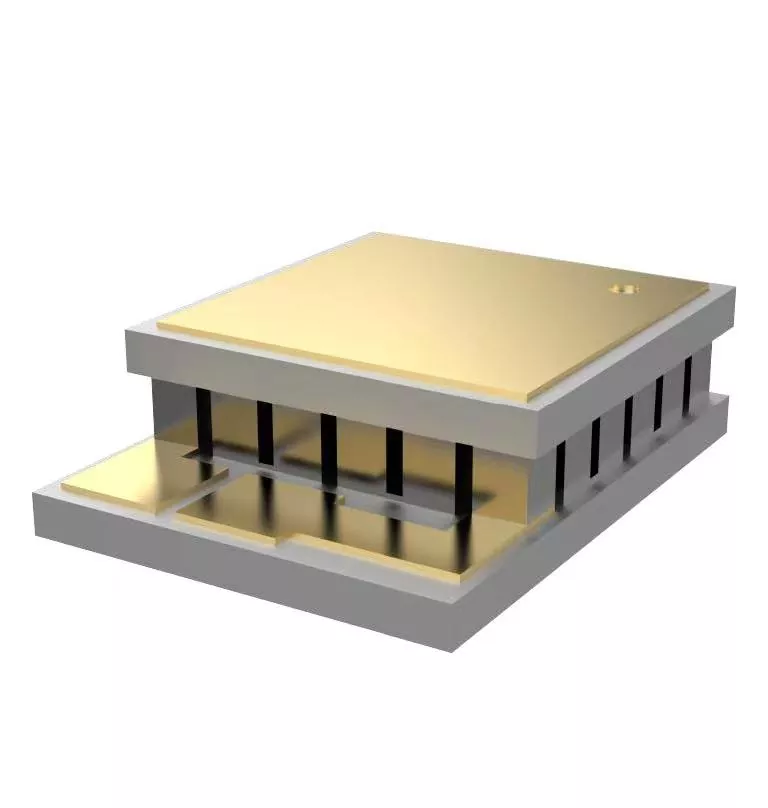
Optoelectric systems rely on precise light generation, detection, or measurement. Even minor temperature fluctuations can distort wavelength stability, reduce detection sensitivity, or shorten device lifespan. As systems become smaller and more powerful, conventional cooling solutions such as fans or passive heat sinks often fail to maintain accuracy or occupy excessive space.
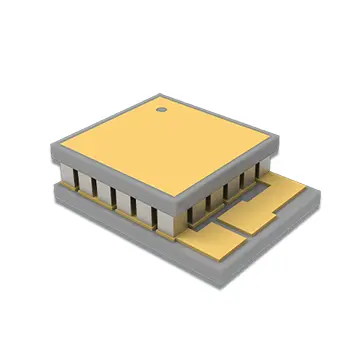
Micro Thermoelectric Coolers for Optoelectric environments provide a compact alternative. Using solid-state heat transfer, these modules stabilize temperature within tight tolerances without mechanical vibration. Their compactness allows integration into sensitive optical assemblies. Fuzhou X-Meritan Technology Co., Ltd. has focused on this niche by engineering modules that combine reliability with miniature footprint, enabling advanced optical performance in laboratory and industrial contexts.
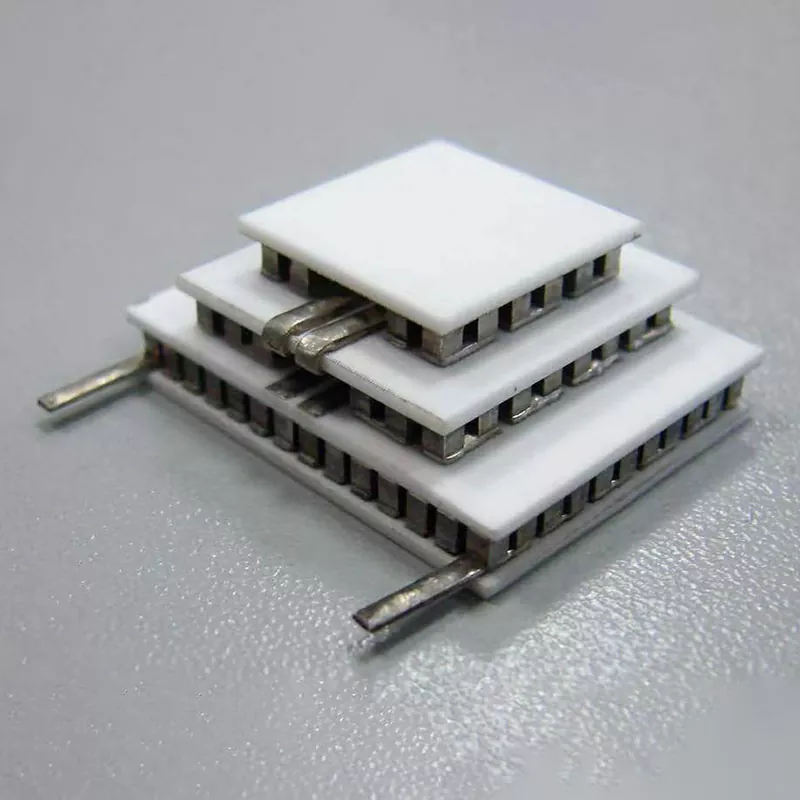
Thermoelectric cooling relies on the Peltier effect. When electrical current flows across two dissimilar conductors, heat transfers from one side of the junction to the other. By controlling current direction and magnitude, the device either cools or heats target components.
Micro-scale modules are engineered for optical assemblies requiring millimeter-scale integration. Fuzhou X-Meritan Technology Co., Ltd. develops variants optimized for detectors, laser packages, and optical communication units where stability directly affects output quality.
System designers frequently encounter several thermal issues:
Micro Thermoelectric Coolers for Optoelectric applications address these limitations by delivering targeted cooling precisely where needed. Instead of cooling entire enclosures, they stabilize critical components directly.
When integrated correctly, thermoelectric modules provide measurable improvements:
Manufacturers like Fuzhou X-Meritan Technology Co., Ltd. emphasize customization of size, cooling capacity, and operating voltage to meet application-specific performance goals.
Micro Thermoelectric Coolers for Optoelectric integration appear across many sectors:
These environments demand consistent stability regardless of ambient conditions, making thermoelectric solutions indispensable.
| Parameter | Micro TEC Module | Passive Cooling | Fan Cooling |
|---|---|---|---|
| Temperature Precision | High | Low | Moderate |
| Mechanical Vibration | None | None | Present |
| Space Requirement | Compact | Moderate | Large |
| Control Capability | Precise | Limited | Moderate |
| Integration Flexibility | High | Low | Low |
Choosing the right cooling module involves evaluating:
Fuzhou X-Meritan Technology Co., Ltd. recommends early-stage collaboration between design engineers and module suppliers to ensure accurate specification alignment. Early integration reduces redesign costs and ensures optimal performance.
Though solid-state modules require minimal servicing, best practices extend lifespan:
Routine evaluation prevents performance degradation and protects investment in precision optical equipment.
Q: Are thermoelectric coolers suitable for miniature optical instruments?
A: Yes. Their compact size and lack of vibration make them ideal for sensitive integrated optical assemblies.
Q: How stable is temperature control?
A: With proper controller pairing, stabilization can reach very narrow tolerances suitable for precision measurement tasks.
Q: Do these modules require frequent maintenance?
A: Generally no. Proper installation and monitoring ensure long operational life without mechanical servicing.
Q: Can they operate in harsh environments?
A: Industrial-grade modules from suppliers such as Fuzhou X-Meritan Technology Co., Ltd. are engineered for demanding operational conditions.
Q: What is the main benefit compared to airflow cooling?
A: Targeted thermal management improves precision without introducing vibration or occupying large volumes.
Micro Thermoelectric Coolers for Optoelectric applications represent a practical and scalable response to the increasing precision demands of optical technology. Their ability to stabilize temperature in confined spaces enables improved performance across communication, imaging, sensing, and research systems. As system complexity grows, compact thermal solutions continue to shape design possibilities.
Fuzhou X-Meritan Technology Co., Ltd. remains committed to advancing thermoelectric cooling technologies through customization, engineering expertise, and product reliability. Whether improving measurement stability or enabling next-generation optical integration, the right thermal solution transforms performance outcomes.
If you are exploring dependable cooling solutions for your optoelectric system design, we welcome you to connect with our specialists — contact us to discuss your application requirements and discover tailored support.