Micro Thermoelectric Coolers for Sensor systems have become essential in modern electronics where measurement precision, reliability, and long-term stability are critical. Temperature fluctuations introduce noise, drift, and calibration errors that can significantly affect sensor performance. This comprehensive guide explains how compact thermoelectric cooling solutions address these challenges. It explores working principles, design considerations, industrial applications, product selection criteria, and integration methods. Engineers, purchasing managers, and system designers will gain actionable insights into choosing reliable solutions, including advanced technologies developed by Fuzhou X-Meritan Technology Co., Ltd., ensuring dependable thermal management across diverse environments.
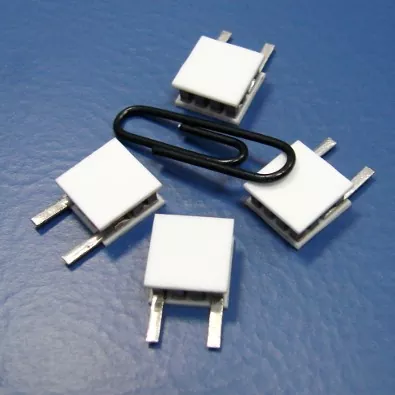
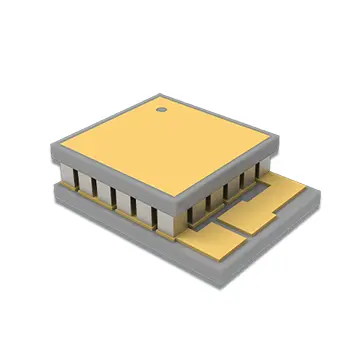
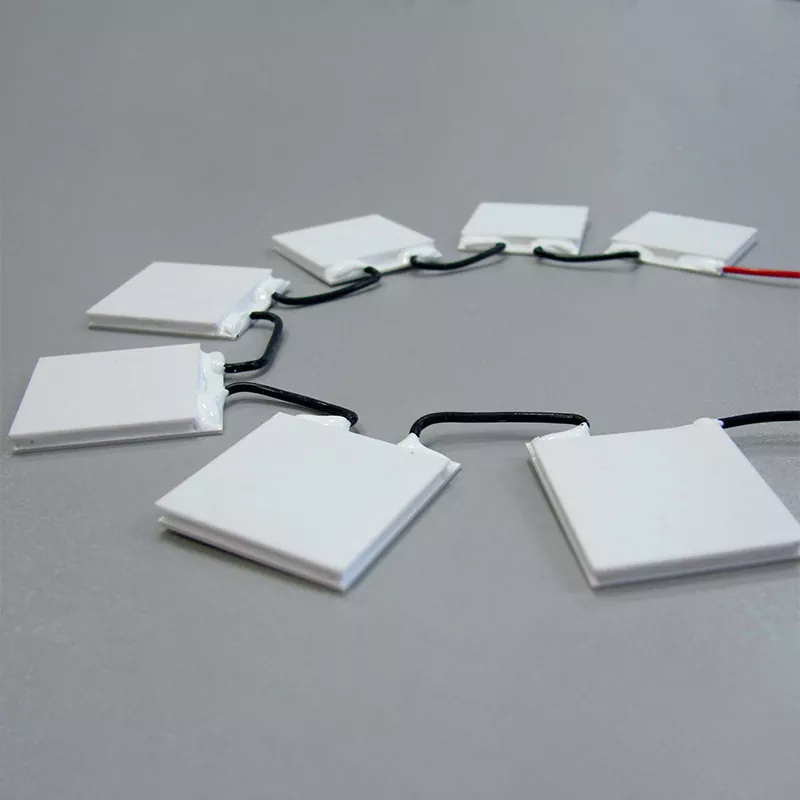
Micro Thermoelectric Coolers for Sensor platforms provide precise thermal control using compact semiconductor modules capable of heating or cooling based on current direction. As sensors become smaller and more sensitive, thermal regulation becomes increasingly important. Modern measurement devices—from infrared detectors to biochemical sensors—require stable environments to deliver repeatable and reliable results.
Companies like Fuzhou X-Meritan Technology Co., Ltd. have engineered highly miniaturized modules designed specifically for integration into confined electronic assemblies. These cooling units operate silently, require minimal maintenance, and allow engineers to maintain stable operating temperatures without bulky mechanical equipment.
Sensors are inherently affected by environmental conditions. Variations in temperature may cause:
Maintaining a controlled thermal state prevents performance degradation. Micro Thermoelectric Coolers for Sensor assemblies create localized temperature stabilization that protects sensitive electronics and ensures consistent output.
Typical sensor types benefiting from cooling:
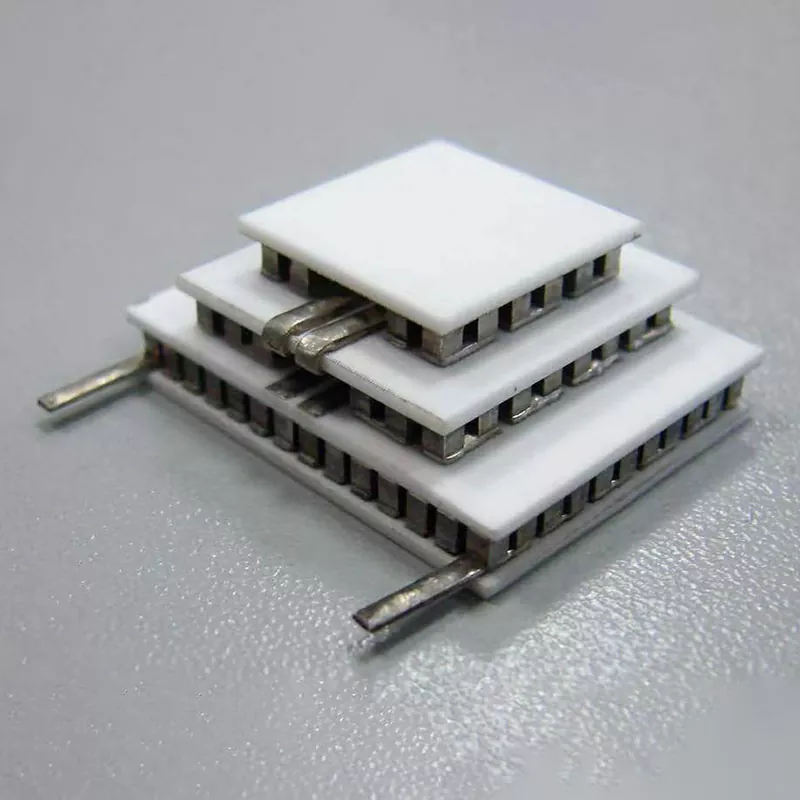
Thermoelectric cooling relies on the Peltier effect. When direct current passes through semiconductor junctions, heat is absorbed on one side and released on the other. This mechanism enables compact devices to regulate temperature with high precision.
| Process Step | Description |
|---|---|
| Electrical Input | Current supplied to module |
| Heat Absorption | Cold side draws heat from sensor |
| Heat Transfer | Thermal energy moves through semiconductor structure |
| Heat Dissipation | Hot side releases energy via heat sink |
Advanced manufacturing by Fuzhou X-Meritan Technology Co., Ltd. ensures efficient conduction paths and stable junction quality, improving reliability under continuous operation.
Material selection directly influences cooling efficiency, durability, and response speed. Precision fabrication techniques contribute to optimized performance across industrial environments.
| Benefit | Operational Impact |
|---|---|
| Compact size | Fits within miniature sensor housings |
| High precision control | Improves measurement accuracy |
| No moving parts | Reduces mechanical failure risk |
| Low noise | Ideal for sensitive detection systems |
| Bidirectional operation | Supports both heating and cooling |
These advantages explain why many engineers partner with Fuzhou X-Meritan Technology Co., Ltd. when upgrading thermal management designs.
Each environment presents unique thermal challenges. Micro Thermoelectric Coolers for Sensor modules deliver adaptable solutions capable of maintaining stability even under fluctuating external conditions.
| Method | Size | Precision | Maintenance | Suitability |
|---|---|---|---|---|
| Fan Cooling | Medium | Low | Moderate | General electronics |
| Liquid Cooling | Large | High | High | Heavy industrial |
| Passive Heat Sink | Small | Moderate | Low | Basic applications |
| Thermoelectric Cooling | Compact | Very High | Low | Precision sensors |
Working with experienced manufacturers such as Fuzhou X-Meritan Technology Co., Ltd. ensures dependable product performance and technical support during specification and deployment.
Correct integration maximizes cooling efficiency:
Though thermoelectric modules require minimal servicing, periodic checks maintain peak performance:
Advancements continue shaping thermal management innovation:
Fuzhou X-Meritan Technology Co., Ltd. continues exploring advanced engineering solutions aligned with evolving sensor technologies.
What makes thermoelectric cooling suitable for sensors?
It delivers precise localized temperature control without vibration or noise that could interfere with measurements.
How long do these cooling modules typically last?
With proper installation and operation, lifespan can extend for many years due to absence of mechanical wear components.
Can modules both heat and cool?
Yes. Reversing current direction switches thermal transfer orientation, allowing flexible temperature regulation.
Are they energy efficient?
Efficiency depends on operating conditions, but targeted cooling often reduces overall system power usage.
How should buyers choose a supplier?
Look for manufacturing expertise, engineering support, quality consistency, and customization capability.
Precision thermal control plays a decisive role in sensor reliability and measurement confidence. Whether you are designing next-generation analytical equipment or upgrading existing instrumentation, advanced Micro Thermoelectric Coolers for Sensor solutions from Fuzhou X-Meritan Technology Co., Ltd. can help you achieve stable, accurate performance. Ready to enhance your system efficiency and product quality? Contact us today to explore tailored solutions and technical support for your next project.