Micro Thermoelectric Coolers for Sensor play a critical role in improving signal stability, measurement accuracy, and long-term reliability across modern sensing applications. From infrared detectors and gas sensors to medical diagnostics and industrial monitoring, temperature fluctuation remains one of the biggest challenges affecting sensor performance. This article provides an in-depth explanation of how micro thermoelectric cooling technology works, why it matters for sensor systems, and how manufacturers and engineers can select the right solution. Drawing on real-world application insights and engineering principles, this guide addresses customer pain points while offering practical design considerations and performance comparisons. Solutions from Fuzhou X-Meritan Technology Co., Ltd. are highlighted throughout to demonstrate industry-proven expertise.
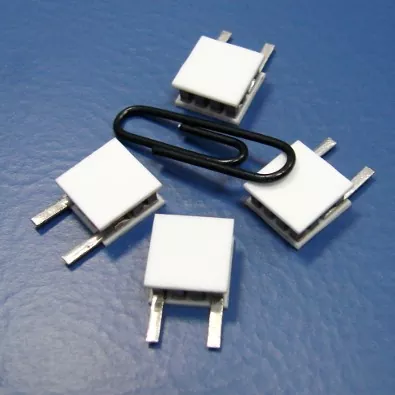
Sensors are becoming smaller, smarter, and more sensitive. As sensitivity increases, so does vulnerability to temperature variations. Even slight thermal fluctuations can introduce noise, drift, or calibration errors that compromise data integrity. This is where Micro Thermoelectric Coolers for Sensor become indispensable.
Unlike traditional cooling methods, micro thermoelectric cooling provides precise, localized temperature control without moving parts. This makes it especially suitable for compact sensor modules used in harsh, dynamic, or space-limited environments. Companies such as Fuzhou X-Meritan Technology Co., Ltd. have been at the forefront of developing reliable micro thermoelectric cooling solutions tailored specifically for sensor integration.
Temperature directly affects nearly every sensor parameter, including sensitivity, response time, noise level, and long-term stability. Without effective thermal regulation, even the most advanced sensor can fail to deliver consistent results.
Micro Thermoelectric Coolers for Sensor address these challenges by actively maintaining a stable operating temperature regardless of ambient conditions. This stability is essential in mission-critical applications such as aerospace, medical imaging, and precision industrial monitoring.
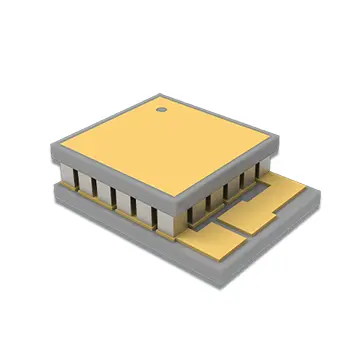
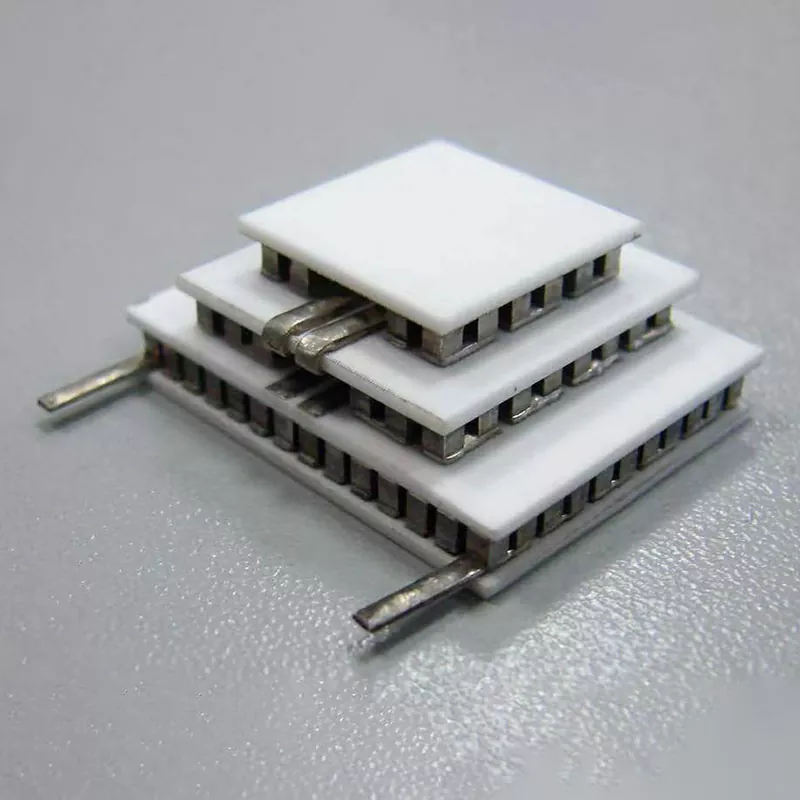
Micro Thermoelectric Coolers for Sensor are compact solid-state devices that use the Peltier effect to transfer heat from one side of the device to the other when an electric current is applied. Their miniature size allows seamless integration into sensor housings without adding mechanical complexity.
Unlike passive heat sinks, micro thermoelectric coolers provide active temperature control, meaning they can both heat and cool depending on system requirements. This bidirectional capability is particularly valuable in environments with wide temperature swings.
Fuzhou X-Meritan Technology Co., Ltd. designs micro thermoelectric coolers optimized for sensor-level thermal management, ensuring compatibility with optical, chemical, and electronic sensing systems.
The operating principle behind Micro Thermoelectric Coolers for Sensor is based on semiconductor junctions arranged in pairs of P-type and N-type materials. When current flows through the junctions, heat is absorbed on one side and released on the opposite side.
This mechanism enables:
Because there are no moving components, micro thermoelectric coolers are highly reliable and require minimal maintenance, making them ideal for continuous sensor operation.
Micro Thermoelectric Coolers for Sensor deliver multiple performance advantages that directly address customer pain points:
These benefits translate into lower operating costs and higher system uptime, especially in high-value applications where data accuracy is non-negotiable.
Micro Thermoelectric Coolers for Sensor are widely used across multiple industries:
Each of these sensor types benefits from the precise thermal control offered by micro thermoelectric cooling, particularly in environments where ambient temperatures are unstable.
Despite their advantages, customers often face challenges when integrating Micro Thermoelectric Coolers for Sensor:
Fuzhou X-Meritan Technology Co., Ltd. addresses these issues through customized module designs, optimized material selection, and rigorous reliability testing.
Choosing the right Micro Thermoelectric Coolers for Sensor requires careful evaluation of system requirements:
Working with an experienced supplier such as Fuzhou X-Meritan Technology Co., Ltd. ensures that these parameters are balanced effectively for optimal system performance.
| Cooling Method | Temperature Precision | Maintenance | Suitability for Sensors |
|---|---|---|---|
| Micro Thermoelectric Cooling | Very High | Minimal | Excellent |
| Passive Heat Sink | Low | None | Limited |
| Fan-Based Cooling | Medium | High | Poor |
Micro Thermoelectric Coolers for Sensor are designed for long operational lifetimes. Solid-state construction eliminates mechanical wear, while advanced encapsulation protects against humidity and contaminants.
Products from Fuzhou X-Meritan Technology Co., Ltd. undergo extensive thermal cycling and endurance testing to ensure consistent performance in demanding environments.
Fuzhou X-Meritan Technology Co., Ltd. specializes in advanced micro thermoelectric cooling solutions for sensor applications. With deep technical expertise and a customer-focused approach, the company delivers:
By partnering with Fuzhou X-Meritan Technology Co., Ltd., customers gain access to cutting-edge thermal management solutions that enhance sensor accuracy and system reliability.
Q: Can Micro Thermoelectric Coolers for Sensor operate continuously?
A: Yes, they are designed for continuous operation with minimal performance degradation over time.
Q: Are micro thermoelectric coolers suitable for compact sensor designs?
A: Absolutely. Their small size makes them ideal for space-constrained sensor modules.
Q: How do micro thermoelectric coolers affect power consumption?
A: Power usage depends on heat load and temperature differential, but modern designs optimize efficiency for sensor applications.
Q: Can these coolers work in harsh environments?
A: Yes, especially when supplied by experienced manufacturers like Fuzhou X-Meritan Technology Co., Ltd.
Conclusion:
Micro Thermoelectric Coolers for Sensor are no longer optional components in high-precision sensing systems. They are essential tools for achieving stable, accurate, and reliable performance. Whether you are developing advanced medical diagnostics, industrial monitoring systems, or optical detection technologies, partnering with an experienced supplier can make all the difference.
If you are looking for high-performance Micro Thermoelectric Coolers for Sensor tailored to your application, contact us today at Fuzhou X-Meritan Technology Co., Ltd. and discover how our expertise can elevate your sensor solutions.