Assemblies with Micro-thermoelectric Coolers have become a critical solution for industries requiring compact, precise, and reliable temperature management. From infrared detectors and laser systems to medical imaging equipment and industrial sensors, these cooling assemblies help stabilize temperature-sensitive components while improving system performance and extending operational lifespan.
This article explains how micro-thermoelectric cooling assemblies work, their advantages, common industry applications, key design considerations, material selection, thermal challenges, and future development trends. It also provides practical guidance for engineers, OEM buyers, and system designers seeking dependable thermal management solutions.
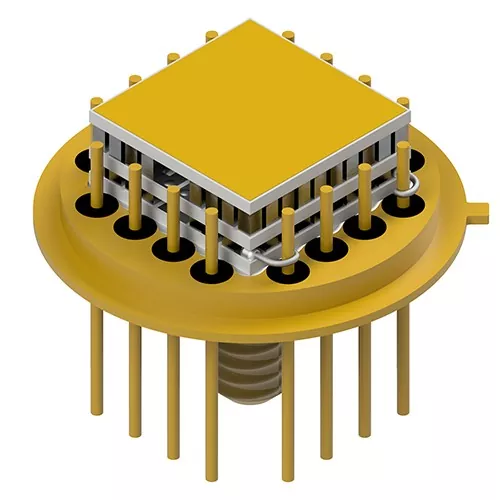
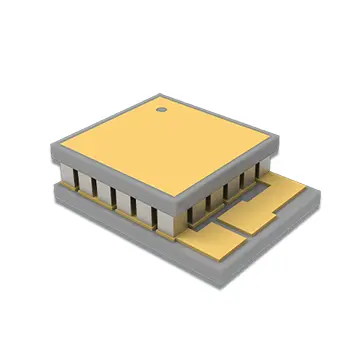
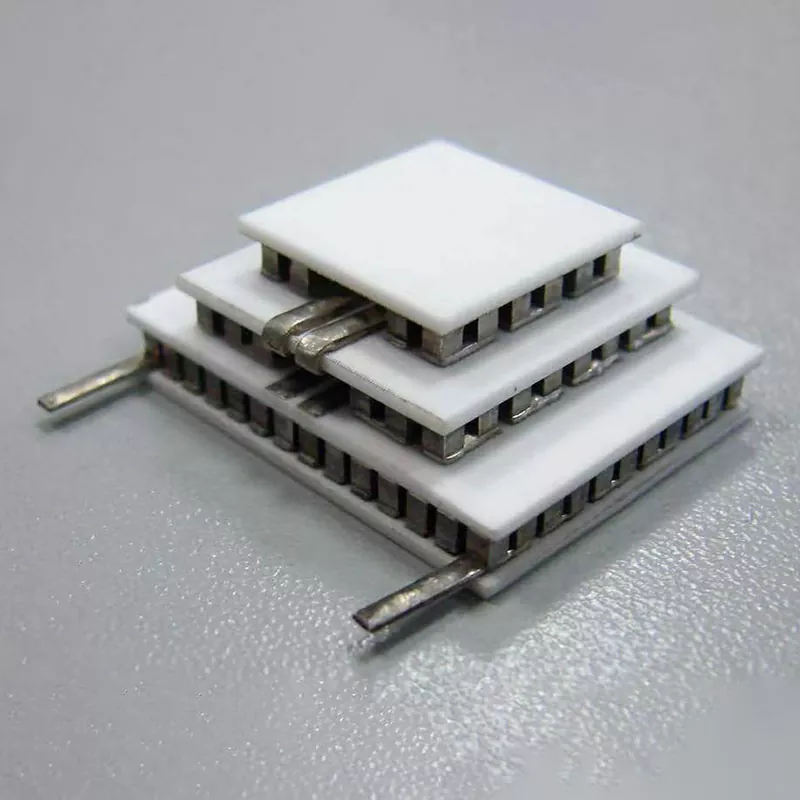
Assemblies with Micro-thermoelectric Coolers are compact thermal management systems designed to precisely control the temperature of highly sensitive electronic and optical components. These assemblies typically integrate micro thermoelectric modules, heat sinks, sensors, thermal interface materials, and electronic control circuitry into a single compact package.
Unlike conventional refrigeration systems that rely on compressors and refrigerants, thermoelectric coolers use the Peltier effect to transfer heat from one side of the device to the other when electrical current flows through semiconductor materials.
Micro-thermoelectric cooling assemblies are especially valuable in applications where:
These systems are commonly integrated into infrared sensors, laser diodes, CCD cameras, biomedical instruments, aerospace detectors, and optical communication devices.
The core operating principle behind micro-thermoelectric coolers is the thermoelectric effect. When direct current passes through semiconductor junctions, heat is absorbed on one side and released on the opposite side.
The cold side cools the target component, while the hot side dissipates heat through a heat sink or thermal spreader.
| Component | Function |
|---|---|
| Thermoelectric Module | Transfers heat using electrical current |
| Heat Sink | Dissipates heat from the hot side |
| Temperature Sensor | Monitors system temperature |
| Controller Circuit | Regulates cooling performance |
| Thermal Interface Material | Improves heat transfer efficiency |
Because the cooling response is electrically controlled, these assemblies can achieve extremely accurate temperature regulation within fractions of a degree Celsius.
Micro-thermoelectric cooling assemblies deliver multiple advantages that traditional cooling methods often cannot achieve.
Micro TEC assemblies are highly compact, making them suitable for portable electronics, miniaturized sensors, and space-constrained equipment.
These assemblies provide highly stable temperature regulation, which is essential for detector accuracy and optical stability.
The absence of compressors or mechanical components reduces vibration, noise, and maintenance requirements.
Micro thermoelectric systems can rapidly adjust temperature based on dynamic operating conditions.
Additional benefits include improved system lifespan, lower maintenance costs, reduced contamination risks, and reliable operation under harsh environmental conditions.
Assemblies with Micro-thermoelectric Coolers are widely used in industries that depend on thermal precision and stable operating conditions.
| Industry | Typical Applications |
|---|---|
| Medical Equipment | PCR systems, imaging detectors, biosensors |
| Photonics | Laser diodes, optical transceivers |
| Defense & Aerospace | Infrared imaging, night vision systems |
| Scientific Research | Precision detectors and analytical instruments |
| Telecommunications | Fiber optic transmission modules |
| Industrial Automation | High-accuracy sensors and inspection systems |
The growing demand for miniaturized electronics and advanced optical systems continues to drive rapid adoption of thermoelectric cooling assemblies worldwide.
A high-performance thermoelectric cooling assembly combines multiple engineered elements into an integrated solution.
The overall assembly design must balance cooling efficiency, thermal resistance, electrical power consumption, and physical size limitations.
Careful system integration helps avoid thermal leakage, condensation, and performance instability.
Selecting the right micro-thermoelectric cooling assembly requires evaluating multiple thermal and operational factors.
Engineers should carefully assess:
Improper selection may lead to insufficient cooling, thermal instability, condensation damage, or excessive power consumption.
For highly sensitive detector applications, custom-designed assemblies often provide better performance than standard off-the-shelf modules because they optimize thermal pathways and minimize mechanical stress.
Although micro-thermoelectric assemblies provide exceptional precision, several engineering challenges must be addressed.
When temperatures drop below ambient dew point levels, moisture condensation can occur and potentially damage sensitive electronics.
Efficient removal of heat from the hot side is critical. Poor heat dissipation reduces cooling efficiency and may overheat the system.
Repeated heating and cooling cycles may create mechanical stress in solder joints and semiconductor materials.
Micro thermoelectric coolers are not always as energy-efficient as compressor-based systems for large cooling loads. Proper system optimization is essential.
Advanced thermal simulation and careful assembly design help minimize these risks while improving long-term reliability.
Material selection plays a major role in the efficiency and durability of thermoelectric cooling assemblies.
| Material | Purpose |
|---|---|
| Bismuth Telluride | High thermoelectric efficiency |
| Aluminum Nitride | Excellent thermal conductivity and insulation |
| Copper | Efficient heat transfer |
| Ceramic Substrates | Electrical insulation and structural stability |
| Graphite Thermal Pads | Enhanced interface heat conduction |
Modern material engineering continues improving cooling efficiency, miniaturization capability, and long-term durability.
| Feature | Micro Thermoelectric Cooling | Traditional Compressor Cooling |
|---|---|---|
| Noise | Silent | Mechanical noise present |
| Vibration | None | Possible vibration |
| Size | Compact | Larger systems |
| Precision | Very high | Moderate |
| Maintenance | Low | Higher |
| Refrigerants | Not required | Required |
For compact, high-precision systems, thermoelectric assemblies often provide superior performance despite somewhat lower large-scale cooling efficiency.
The future of micro-thermoelectric cooling assemblies is strongly connected to advances in miniaturized electronics, artificial intelligence systems, aerospace instrumentation, and next-generation optical communication technologies.
Emerging trends include:
As precision electronics continue evolving, thermal stability requirements will become even more demanding, further increasing the importance of advanced micro-thermoelectric assemblies.
Yes. Depending on system design and thermal load, many thermoelectric assemblies can achieve temperatures below 0°C.
Yes. Because they contain no moving parts, they often provide excellent long-term reliability with minimal maintenance.
Medical imaging, aerospace, photonics, telecommunications, industrial automation, and scientific instrumentation all heavily rely on precision thermoelectric cooling.
Absolutely. Many manufacturers provide custom cooling assemblies optimized for specific thermal loads, dimensions, environmental conditions, and integration requirements.
Heat sink performance is extremely important because inefficient heat dissipation can dramatically reduce cooling efficiency and overall system stability.
Assemblies with Micro-thermoelectric Coolers have become an indispensable technology for modern precision electronics and thermal management systems. Their compact structure, vibration-free operation, accurate temperature regulation, and long operational lifespan make them ideal for demanding applications across numerous industries.
As technology continues advancing toward higher integration density and greater thermal sensitivity, professionally engineered thermoelectric cooling assemblies will play an even more critical role in maintaining performance stability and equipment reliability.
Fuzhou X-Meritan Technology Co., Ltd. specializes in advanced micro-thermoelectric cooling solutions designed for high-performance detector systems, optical devices, and industrial precision applications. With extensive engineering expertise and customized thermal management capabilities, the company helps global customers achieve reliable and efficient cooling performance.
Contact us today to discuss customized assemblies with micro-thermoelectric coolers for your detectors, optical systems, medical equipment, or industrial applications.