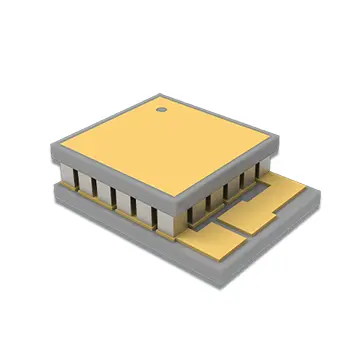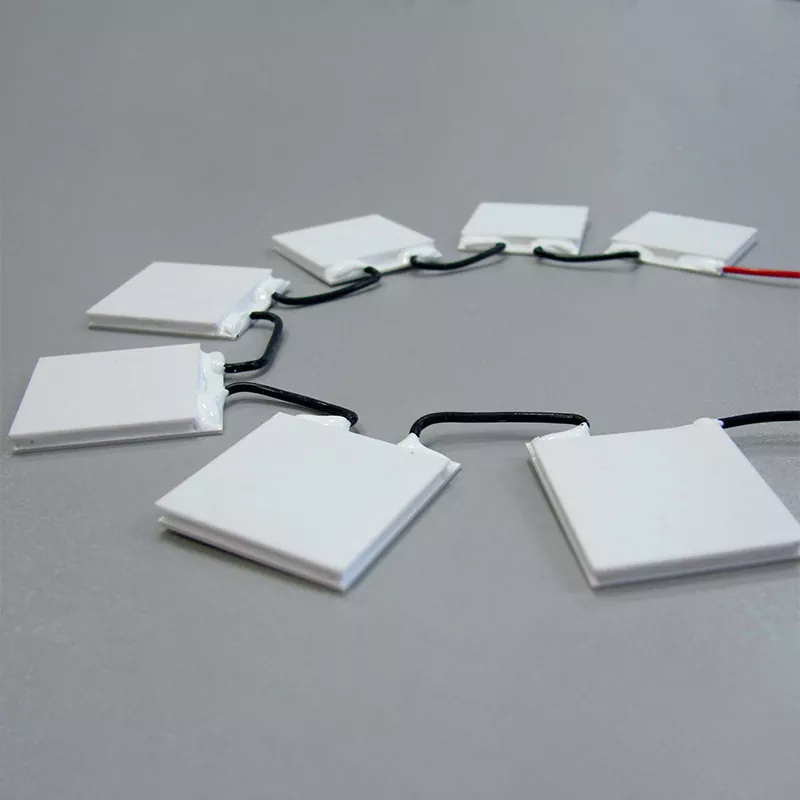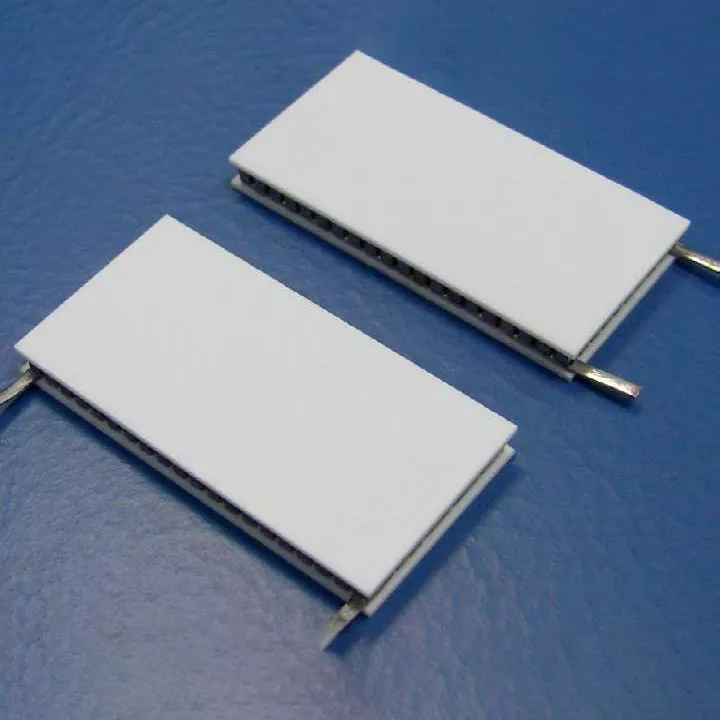
Cycling Thermoelectric Coolers have become a revolutionary solution in thermal management, offering an energy-efficient and precise cooling method for various applications. Fuzhou X-Meritan Technology Co., Ltd. has been at the forefront of designing advanced thermoelectric cooling solutions that cater to industrial, automotive, and medical devices. In this article, we will explore the working principles, advantages, applications, and optimization strategies of cycling thermoelectric coolers.
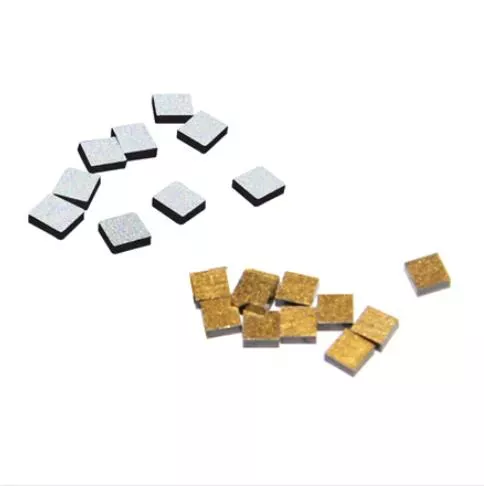
The NTC chip is a critical component in modern electronic circuits that is used to monitor and control temperature. NTC, which stands for Negative Temperature Coefficient, refers to the property of the chip whose resistance decreases as temperature increases. Fuzhou X-Meritan Technology Co., Ltd. specializes in designing and manufacturing high-quality NTC chips that are widely used in various industries, including automotive, consumer electronics, and home appliances.
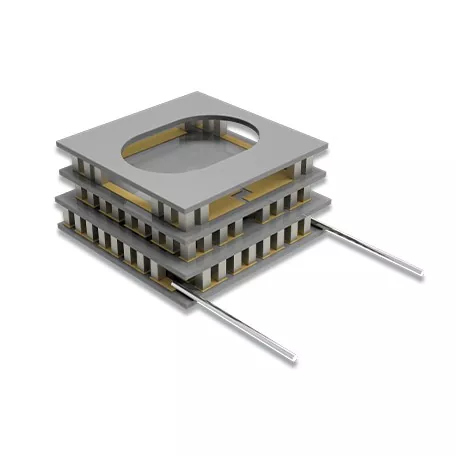
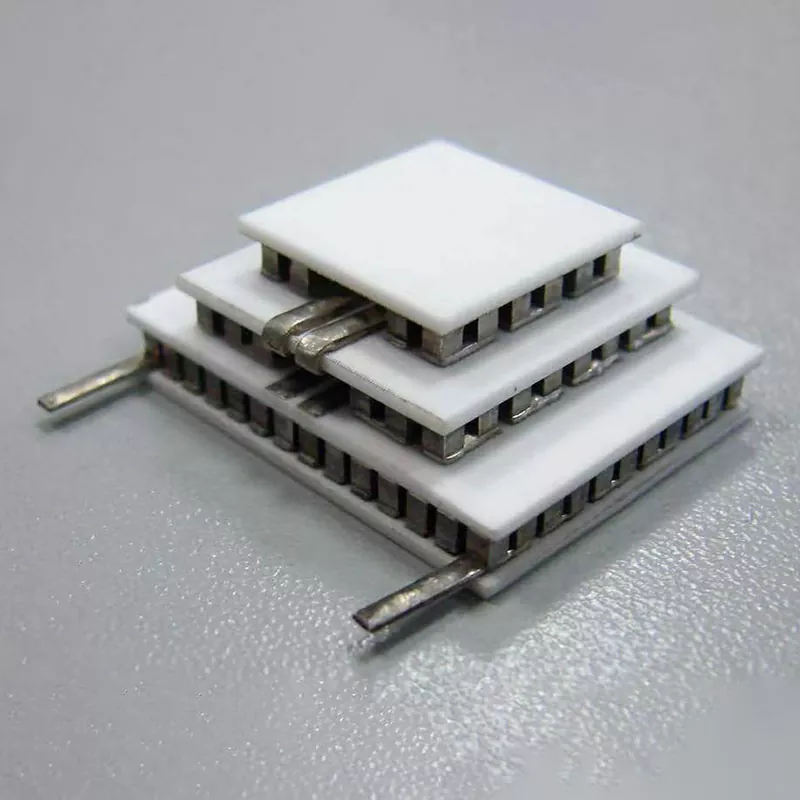
Multistage Thermoelectric Coolers are advanced solid-state cooling devices designed to achieve temperature differentials far beyond the capability of single-stage thermoelectric modules. By stacking multiple thermoelectric stages in a cascaded structure, these systems enable precise, vibration-free, and highly reliable cooling for demanding applications such as infrared sensors, medical diagnostics, aerospace instruments, and scientific research. Companies like Fuzhou X-Meritan Technology Co., Ltd. specialize in engineering high-performance multistage thermoelectric cooling solutions that meet modern industrial and scientific requirements.

In fact, we have some understanding or heard of refrigeration methods in our daily lives. For instance, common air conditioners use compressors for cooling, while semiconductor cooling is relatively less encountered in our daily lives. However, in recent years, the application scenarios of thermoelectric cooling in consumer products have increased, and it has gradually come into the view of ordinary people's lives, such as mobile phone heat dissipation back covers and in-car refrigerators in new energy vehicles, etc.
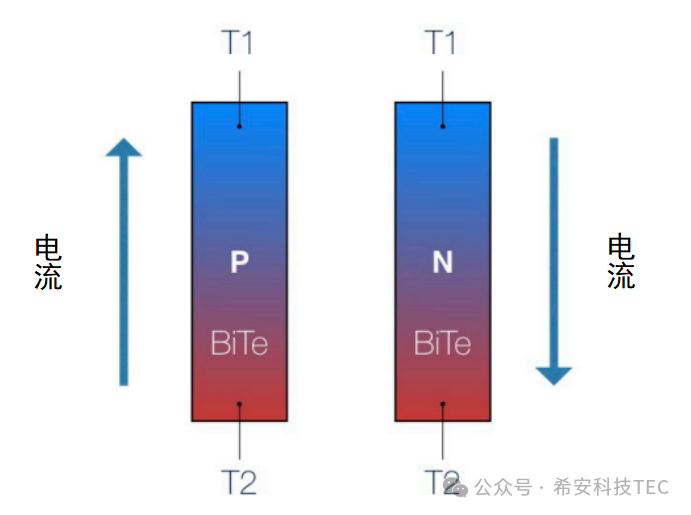
To better understand how TEC works, let's first take a look at its internal structure. The core of TEC is the semiconductor thermocouple (grain), which is generally divided into P-type and N-type.

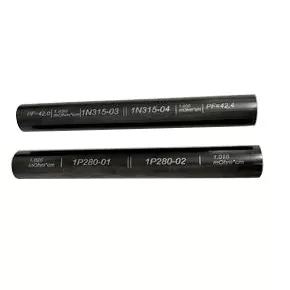
“Extruded thermoelectric materials” refers to semiconducting compounds processed through extrusion—a manufacturing technique where material is forced through a die to form continuous shapes—optimized for thermoelectric energy conversion.