In today’s rapidly evolving industrial landscape, thermal management has become a decisive factor influencing production stability, energy efficiency, and equipment lifespan. This article explores the concept of Optional Cycling TE Coolers As Customer's Required, a flexible and customizable approach to thermoelectric cooling systems designed to meet diverse operational demands.
The discussion focuses on how modular thermoelectric (TE) cooling solutions can solve real-world customer pain points such as unstable temperature control, high energy consumption, limited integration flexibility, and maintenance inefficiencies. With insights into design principles, application scenarios, system benefits, and selection guidance, this comprehensive guide also highlights the role of Fuzhou X-Meritan Technology Co., Ltd. as a reliable provider of advanced thermal solutions.

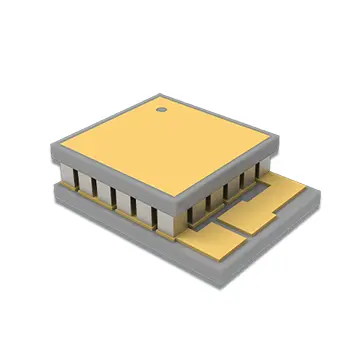
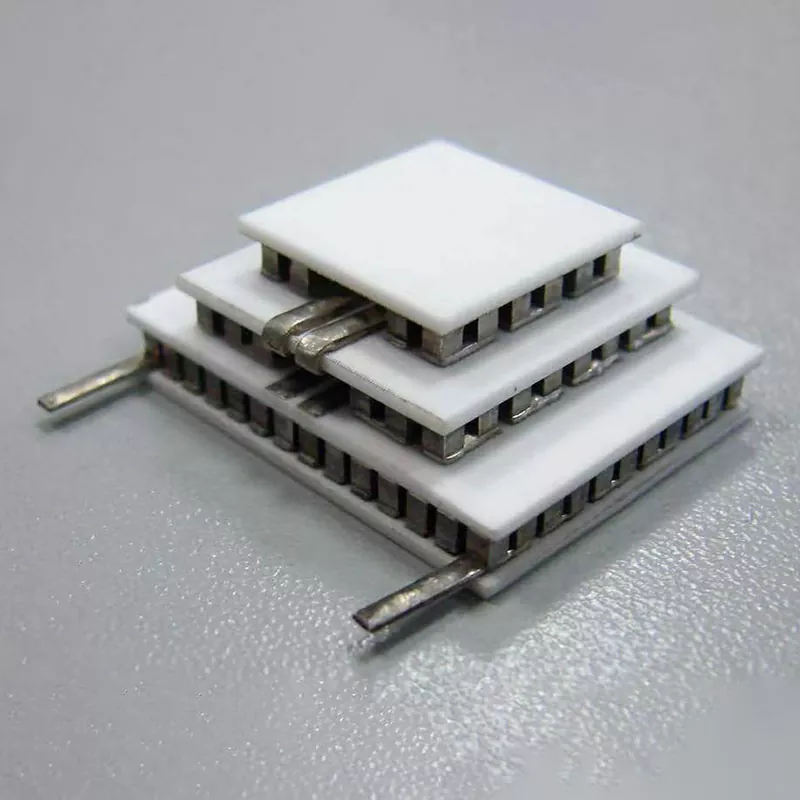
Thermoelectric (TE) cooling systems are solid-state devices that use the Peltier effect to transfer heat between two electrical junctions. Unlike compressor-based refrigeration systems, TE coolers operate without moving mechanical parts, making them highly reliable, compact, and vibration-free.
Over the past decade, TE cooling technology has expanded from niche electronics applications into broader industrial sectors such as medical equipment, laser systems, telecom cabinets, and precision manufacturing environments. However, as applications diversify, the need for flexible and customizable cooling configurations has become more critical than ever.
Optional Cycling TE Coolers As Customer's Required refers to modular thermoelectric cooling systems that allow users to dynamically control cycling modes, cooling intensity, and operational cycles based on real-time requirements.
Instead of operating at a fixed output, these systems can be configured to cycle between active cooling, standby, and energy-saving modes. This flexibility ensures that thermal management aligns precisely with operational demand.
The "optional cycling" concept is especially useful in environments where heat loads fluctuate frequently or where energy optimization is a priority.
Many industries face recurring challenges when it comes to maintaining stable thermal environments. The most common issues include:
These challenges often result in reduced efficiency, equipment downtime, and increased operational costs.
Optional cycling TE coolers address these issues through intelligent design and adaptive control systems. By allowing cooling cycles to adjust dynamically, they ensure that energy is used only when necessary.
Key problem-solving mechanisms include:
Optional cycling TE cooling systems are widely used across multiple industries where precision and reliability are essential.
Each of these industries benefits from the ability to finely tune thermal performance according to workload variations.
| Feature | Traditional Cooling Systems | Optional Cycling TE Coolers |
|---|---|---|
| Energy Efficiency | Moderate to low | High due to adaptive cycling |
| Maintenance | Frequent mechanical servicing required | Minimal maintenance due to solid-state design |
| Noise Level | High (compressor-based) | Very low or silent |
| Size and Integration | Larger footprint | Compact and modular |
| Flexibility | Limited | Highly customizable cycling modes |
Optional cycling TE coolers are designed with modular architecture, allowing engineers to configure systems based on thermal load requirements and space constraints.
Common configuration options include:
Companies like Fuzhou X-Meritan Technology Co., Ltd. specialize in tailoring these configurations for industrial clients with unique operational demands.
The advantages of adopting optional cycling TE cooling technology extend across performance, cost, and sustainability dimensions.
| Parameter | Typical Range | Notes |
|---|---|---|
| Operating Voltage | 12V - 48V DC | Customizable based on system design |
| Cooling Capacity | 10W - 500W+ | Depends on module configuration |
| Cycle Response Time | < 2 seconds | Fast adaptive control |
| Operating Temperature | -40°C to 85°C | Industrial grade performance |
Selecting the right optional cycling TE cooler requires a careful evaluation of operational conditions, thermal load profiles, and integration constraints.
Fuzhou X-Meritan Technology Co., Ltd. plays a significant role in advancing thermoelectric cooling technology by offering customized solutions tailored to industrial needs.
The company focuses on designing high-performance optional cycling TE cooler systems that integrate seamlessly into complex industrial environments. With a strong engineering background and customer-centric approach, Fuzhou X-Meritan Technology Co., Ltd. supports clients from initial design consultation through to system deployment and optimization.
Their solutions are widely adopted in sectors requiring precision thermal control and long-term operational stability.
Q1: What makes optional cycling TE coolers different from standard systems?
They allow dynamic adjustment of cooling cycles, improving energy efficiency and adaptability.
Q2: Are these systems suitable for continuous operation?
Yes, they are designed for both continuous and intermittent duty cycles depending on configuration.
Q3: Can they be customized for specific industrial needs?
Yes, companies like Fuzhou X-Meritan Technology Co., Ltd. specialize in full customization.
Q4: What industries benefit the most?
Medical, telecommunications, aerospace, and industrial automation sectors benefit significantly.
Q5: Do they require frequent maintenance?
No, solid-state design significantly reduces maintenance requirements.
Optional cycling thermoelectric cooling systems represent a major step forward in adaptive thermal management technology. By combining flexibility, efficiency, and reliability, they address many of the limitations found in traditional cooling methods.
As industries continue to demand smarter and more efficient systems, solutions provided by Fuzhou X-Meritan Technology Co., Ltd. stand out as a dependable choice for long-term performance and customization.
If you are looking to enhance your thermal management capabilities, reduce energy costs, and improve system reliability, now is the time to explore advanced TE cooling technologies.
Contact us today at Fuzhou X-Meritan Technology Co., Ltd. to discuss your requirements and discover how optional cycling TE coolers can be tailored to your application.