Two Stages Thermoelectric Coolers (TECs) are gaining attention in various industries, from medical devices to aerospace, due to their unparalleled efficiency and compact design. Companies like Fuzhou X-Meritan Technology Co., Ltd. are leading innovations in this field, providing reliable cooling solutions that meet stringent performance requirements. This article explores why these advanced thermoelectric coolers are essential, their applications, advantages, and how they outperform single-stage alternatives.
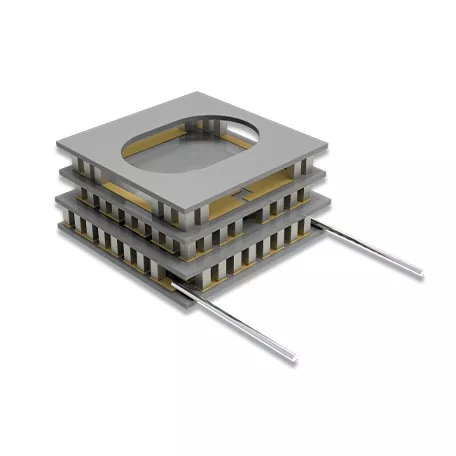
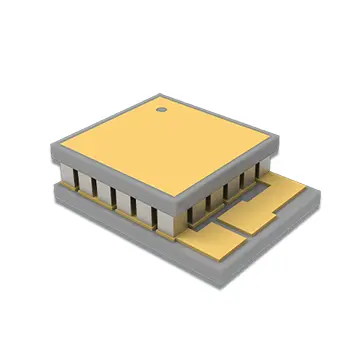
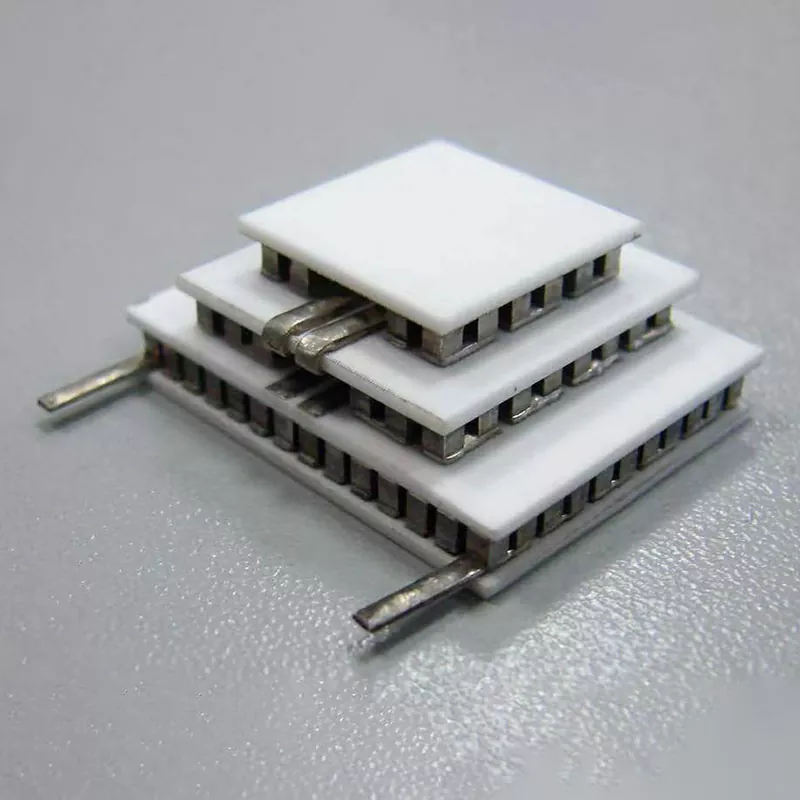
Two-stage thermoelectric coolers consist of two TEC modules stacked in series to achieve a higher temperature difference than single-stage TECs. This design enables superior cooling for sensitive components such as laser diodes, infrared sensors, and microfluidic systems.
In modern electronic and scientific applications, precise temperature control is critical. Even minor deviations can cause significant performance drops or damage sensitive components. Two-stage TECs provide reliable, compact, and maintenance-free cooling solutions that are ideal for high-precision environments.
The two-stage TEC operates based on the Peltier effect. The first stage lowers the temperature, while the second stage further cools the system, creating a higher overall ΔT (temperature differential) than single-stage solutions.
Two-stage TECs are increasingly adopted across multiple sectors:
To select the appropriate two-stage TEC, several factors should be evaluated:
When integrating two-stage TECs into systems, ensure that the hot side is properly managed to prevent overheating, which can reduce efficiency and lifespan. Using advanced thermal interface materials and precise control circuits can maximize performance.
| Feature | Single-Stage TEC | Two-Stage TEC |
|---|---|---|
| Maximum ΔT | 60°C | 90°C |
| Cooling Power | Up to 50W | Up to 120W |
| Size | Compact | Moderately Compact |
| Lifespan | 5-7 years | 7-10 years |
| Applications | Standard cooling | Precision and ultra-low temperature cooling |
Q1: What is the maximum temperature drop achievable by two-stage TECs?
A: Typically, two-stage TECs can achieve a ΔT up to 90°C, depending on design and heat load conditions.
Q2: Are two-stage TECs suitable for continuous operation?
A: Yes, with proper heat management and control circuits, two-stage TECs can run continuously for years with minimal maintenance.
Q3: How do they compare with traditional refrigeration systems?
A: Two-stage TECs are more compact, quieter, and require no refrigerants, making them ideal for applications where space and environmental safety are critical.
Q4: Can they be customized for specific devices?
A: Absolutely. Companies like Fuzhou X-Meritan Technology Co., Ltd. offer customization based on size, cooling capacity, and temperature requirements.
Two-stage thermoelectric coolers represent the next level in precision cooling technology. Their higher ΔT, reliability, and compact design make them suitable for high-performance applications across medical, aerospace, telecommunications, and research industries. With expert solutions from Fuzhou X-Meritan Technology Co., Ltd., integrating these coolers into your systems ensures optimal performance, extended device lifespan, and consistent thermal management.
Ready to enhance your cooling solutions with advanced two-stage thermoelectric coolers? Contact us at Fuzhou X-Meritan Technology Co., Ltd. for personalized recommendations and professional support today!