Industry News

What Are Slices with Diffusion Barriers and Why Are They Critical for Advanced Thermoelectric and Semiconductor Applications?

2026-03-11 - Leave me a message

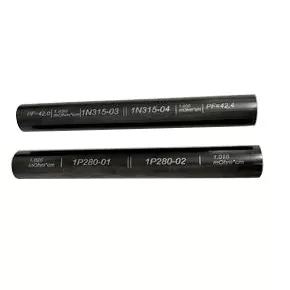
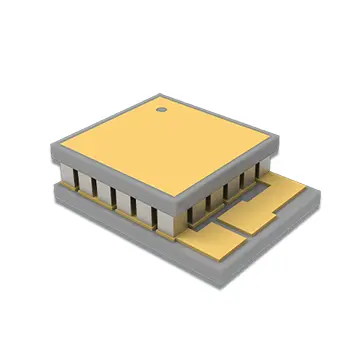
Slices with diffusion barriers are essential structural elements widely used in semiconductor packaging, thermoelectric modules, detector devices, and high-precision electronic components. These engineered slices prevent material diffusion between layers, protecting device stability, conductivity, and long-term reliability. Without proper diffusion barriers, materials can migrate between layers under high temperature or electrical stress, leading to performance degradation or device failure. In this comprehensive guide, we explore the structure, function, materials, manufacturing techniques, applications, and performance benefits of slices with diffusion barriers. This article also highlights how Fuzhou X-Meritan Technology Co., Ltd. delivers advanced solutions for high-performance thermoelectric and semiconductor components.
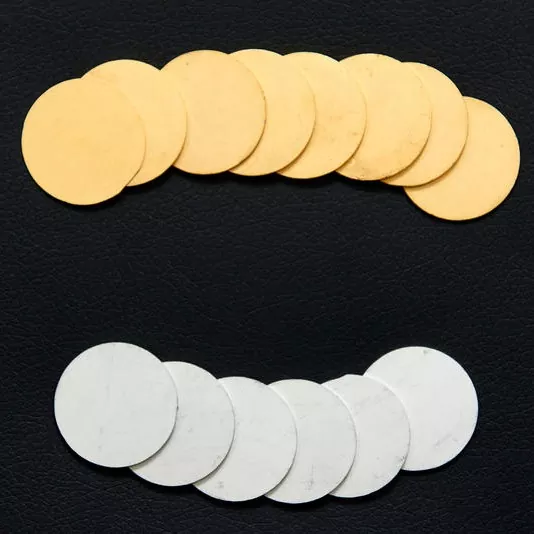
Slices with diffusion barriers


Table of Contents

  1. Introduction to Slices with Diffusion Barriers
  2. How Do Diffusion Barriers Work?
  3. Common Materials Used for Diffusion Barriers
  4. Manufacturing Process of Diffusion Barrier Slices
  5. Key Benefits for Thermoelectric Devices
  6. Applications Across High-Tech Industries
  7. Comparison: With vs Without Diffusion Barriers
  8. Design Considerations for High Performance
  9. Quality Standards and Testing
  10. Why Choose Fuzhou X-Meritan Technology Co., Ltd.
  11. Frequently Asked Questions

Introduction to Slices with Diffusion Barriers

Slices with diffusion barriers are engineered structural layers designed to prevent atomic or molecular migration between adjacent materials in electronic or thermoelectric assemblies. These slices are typically used in devices where multiple metals, semiconductors, or ceramics are bonded together under heat, pressure, or electrical load. In advanced electronic systems, diffusion between materials can lead to:
  • Electrical conductivity degradation
  • Interface instability
  • Mechanical stress and cracking
  • Shortened device lifespan
To solve this problem, diffusion barriers are inserted between layers. These barriers block unwanted atomic movement while maintaining electrical and thermal performance. For example, thermoelectric coolers used in infrared detectors often contain multiple material interfaces. Without diffusion barriers, copper, nickel, or solder elements may diffuse into semiconductor materials such as BiTe alloys. Companies such as Fuzhou X-Meritan Technology Co., Ltd. specialize in designing high-precision thermoelectric materials and slices with diffusion barriers to maintain device stability in demanding environments.

How Do Diffusion Barriers Work?

Diffusion barriers operate by forming a stable layer between two materials that prevents atomic migration. This layer acts as a physical and chemical shield. Key mechanisms include:
  • Low atomic mobility — barrier materials have extremely slow diffusion rates
  • Strong bonding structure — crystalline structures that resist atomic penetration
  • Thermal stability — materials maintain integrity at high temperatures
  • Chemical resistance — prevents reactions between layers
When a device operates under heat or electrical current, atoms naturally attempt to migrate. A diffusion barrier interrupts this process, protecting the integrity of both materials. Typical thickness ranges from:
Application Barrier Thickness Typical Materials
Thermoelectric modules 1–10 µm Ni, Ti, Mo
Semiconductor packaging 0.1–5 µm TiN, TaN
Power electronics 2–15 µm Ni, W, Cr
Advanced manufacturers like Fuzhou X-Meritan Technology Co., Ltd. apply optimized barrier layers to ensure reliability even under extreme thermal cycles.

Common Materials Used for Diffusion Barriers

Choosing the correct barrier material is critical for device performance. The material must block diffusion while maintaining electrical and thermal conductivity. Below are widely used diffusion barrier materials:
Material Advantages Typical Use
Nickel (Ni) Excellent adhesion and diffusion resistance Thermoelectric modules
Titanium Nitride (TiN) Very strong diffusion barrier Semiconductor devices
Tungsten (W) High temperature stability High-power electronics
Tantalum Nitride (TaN) Strong chemical stability Microelectronics
Molybdenum (Mo) Excellent thermal resistance Thermoelectric materials
Manufacturers like Fuzhou X-Meritan Technology Co., Ltd. carefully select barrier materials based on thermal expansion compatibility and electrical requirements.

Manufacturing Process of Diffusion Barrier Slices

The production of high-quality slices with diffusion barriers requires precision engineering and strict quality control. Typical production steps include:
  1. Substrate preparation and polishing
  2. Deposition of diffusion barrier layer
  3. Surface treatment and bonding preparation
  4. Micro-structural inspection
  5. Thermal stability testing
Several deposition technologies are commonly used:
  • Physical vapor deposition (PVD)
  • Chemical vapor deposition (CVD)
  • Electroplating
  • Sputtering
Each method provides different advantages in terms of thickness control, uniformity, and adhesion. With advanced manufacturing capabilities, Fuzhou X-Meritan Technology Co., Ltd. ensures high uniformity and consistent barrier performance across all thermoelectric components.

Key Benefits for Thermoelectric Devices

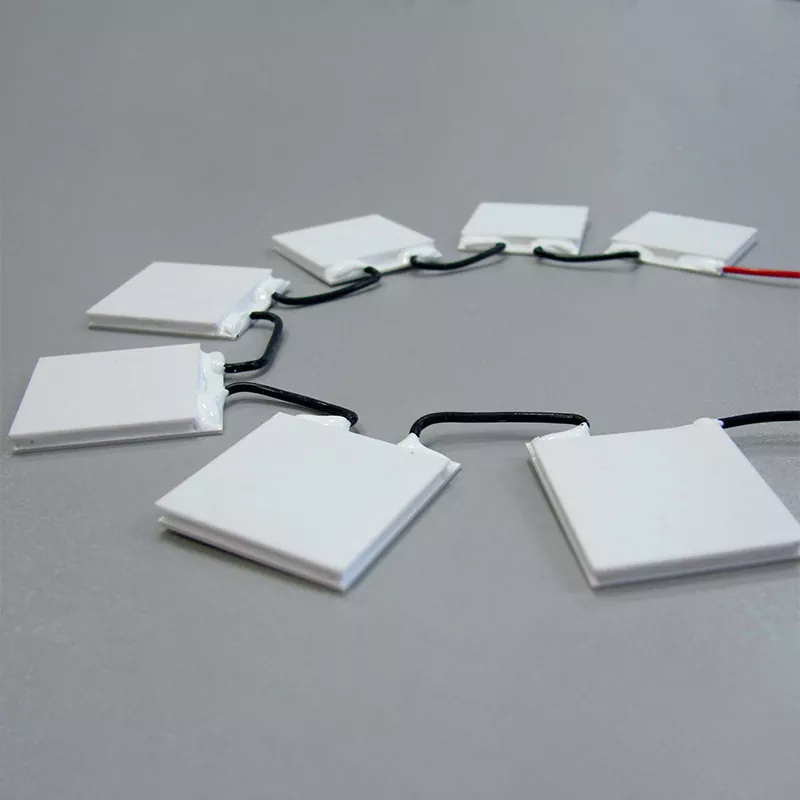
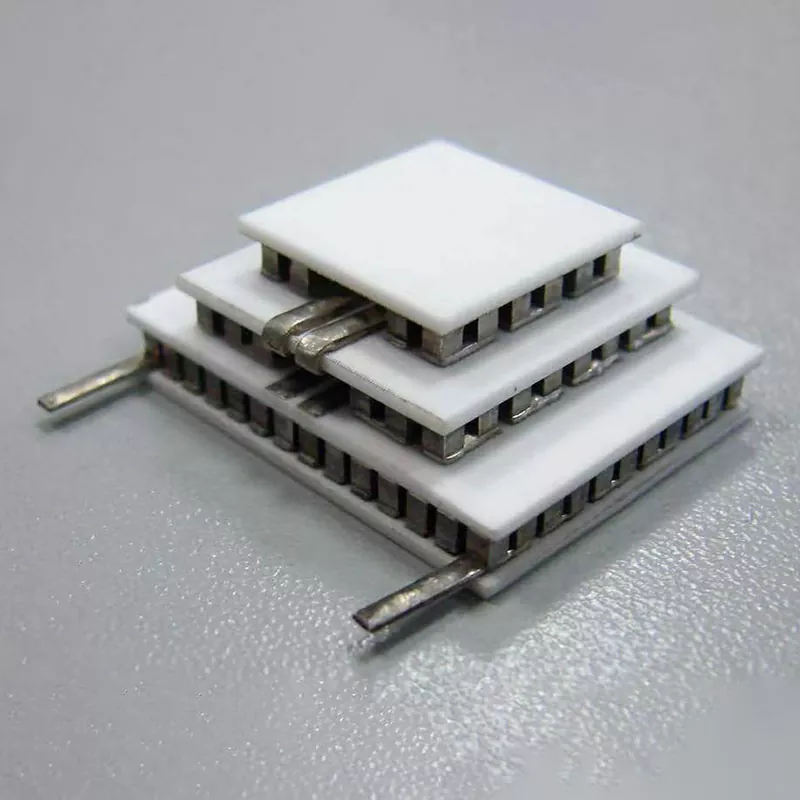
Slices with diffusion barriers play a vital role in improving the performance of thermoelectric coolers and detectors. Major advantages include:
  • Extended device lifespan
  • Improved electrical conductivity stability
  • Enhanced heat transfer efficiency
  • Prevention of metal contamination
  • Resistance to high temperature degradation
In sensitive equipment such as infrared detectors, even small material diffusion can significantly impact measurement accuracy. Diffusion barriers protect the delicate semiconductor junctions from contamination. This is why companies such as Fuzhou X-Meritan Technology Co., Ltd. integrate diffusion-barrier technology into their thermoelectric materials and detector cooling solutions.

Applications Across High-Tech Industries

Slices with diffusion barriers are used across many advanced technologies. Key industries include:
  • Thermoelectric cooling systems
  • Infrared detector modules
  • Semiconductor packaging
  • Power electronics
  • Space and aerospace electronics
  • Laser systems
  • Medical imaging equipment
These industries require components capable of operating reliably under thermal cycling, vibration, and electrical load. The engineering expertise of Fuzhou X-Meritan Technology Co., Ltd. supports customers across these demanding sectors with customized diffusion-barrier solutions.

Comparison: With vs Without Diffusion Barriers

Understanding the impact of diffusion barriers becomes clearer when comparing devices with and without them.
Feature Without Barrier With Barrier
Material Stability Low High
Thermal Reliability Moderate Excellent
Electrical Performance Degrades over time Stable
Device Lifetime Shorter Significantly longer
Manufacturing Cost Lower initially Higher but more reliable
This comparison demonstrates why diffusion barriers are essential for high-performance electronics.

Design Considerations for High Performance

Designing effective diffusion barrier slices requires careful engineering. Important factors include:
  • Thermal expansion compatibility
  • Barrier thickness optimization
  • Electrical conductivity
  • Mechanical strength
  • Interface adhesion
A poorly designed barrier may crack or delaminate under thermal cycling. For this reason, experienced manufacturers like Fuzhou X-Meritan Technology Co., Ltd. perform extensive material testing and simulation before production.

Quality Standards and Testing

Reliable diffusion barrier slices must undergo rigorous testing to ensure performance. Typical evaluation methods include:
  • Scanning electron microscopy (SEM)
  • X-ray diffraction (XRD)
  • Thermal cycling tests
  • Adhesion strength tests
  • Electrical conductivity measurement
These tests confirm the integrity and stability of the barrier layer under operating conditions. Fuzhou X-Meritan Technology Co., Ltd. implements strict quality control systems to guarantee that every diffusion-barrier component meets high performance requirements.

Why Choose Fuzhou X-Meritan Technology Co., Ltd.

Selecting a reliable supplier is essential for industries that depend on precision thermoelectric components. Fuzhou X-Meritan Technology Co., Ltd. offers several advantages:
  • Advanced thermoelectric material expertise
  • High-precision diffusion barrier fabrication
  • Customized solutions for detectors and electronics
  • Strict quality inspection procedures
  • Reliable global supply capability
The company has extensive experience in developing high-performance thermoelectric cooling materials and advanced semiconductor interface technologies.

Frequently Asked Questions

1. What is the main purpose of diffusion barriers?
Diffusion barriers prevent atoms from migrating between materials, protecting device stability and extending operational life.

2. Are diffusion barriers necessary for thermoelectric devices?
Yes. Thermoelectric modules often operate under temperature gradients that accelerate atomic diffusion. Barriers ensure long-term reliability.

3. Which materials are most commonly used as diffusion barriers?
Nickel, titanium nitride, tungsten, and tantalum nitride are among the most widely used materials.

4. How thick should a diffusion barrier be?
The thickness typically ranges from 0.1 µm to 15 µm depending on application requirements.

5. Can diffusion barriers improve device lifespan?
Yes. Properly designed barriers can significantly increase device lifespan by preventing material degradation.

Conclusion

Slices with diffusion barriers are a crucial component in modern electronics and thermoelectric systems. By preventing unwanted material migration, these engineered layers maintain electrical stability, enhance thermal performance, and extend device lifespan. As industries demand higher performance and reliability, diffusion barrier technology continues to evolve. Working with an experienced manufacturer ensures the highest standards in material selection, precision fabrication, and performance testing. Fuzhou X-Meritan Technology Co., Ltd. specializes in advanced thermoelectric materials and diffusion-barrier solutions tailored to demanding electronic applications. If you are looking for high-quality slices with diffusion barriers or customized thermoelectric components, contact us today to explore how our engineering expertise can support your next innovation.

Send Inquiry


X
We use cookies to offer you a better browsing experience, analyze site traffic and personalize content. By using this site, you agree to our use of cookies. Privacy Policy
Reject Accept